Looking into Hydraulic Mulching Contractor in The Florida Panhandle?
EZ Acre is a land services business that does mulching work in The Florida Panhandle.
Call 850-787-9300 to ask how a mulching project like yours is usually handled.
What Mulching Means on Land
The word mulching covers several kinds of work, from grinding brush on site to spreading a protective layer over bare soil, and the three most common kinds are forestry mulching, hydraulic mulching, and ordinary bed mulching. Covered soil loses less water to the sun and the wind, and it can keep a property looking tidy for a long time.
People looking up Hydraulic Mulching Contractor usually have a clear idea of the result they want, and the next step is understanding which kind of mulching fits.
Grinding Brush and Trees in Place
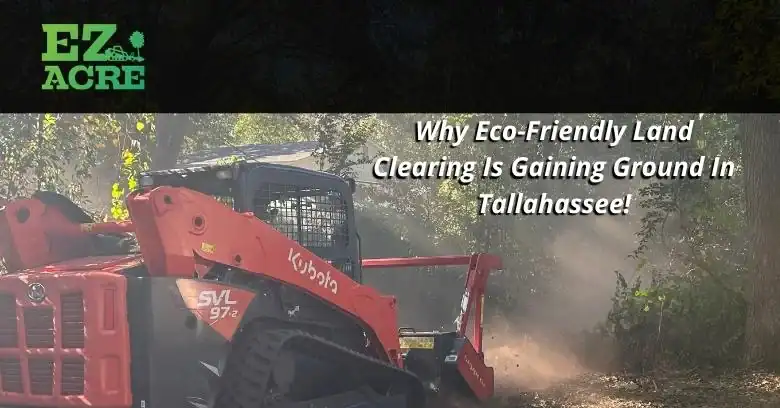
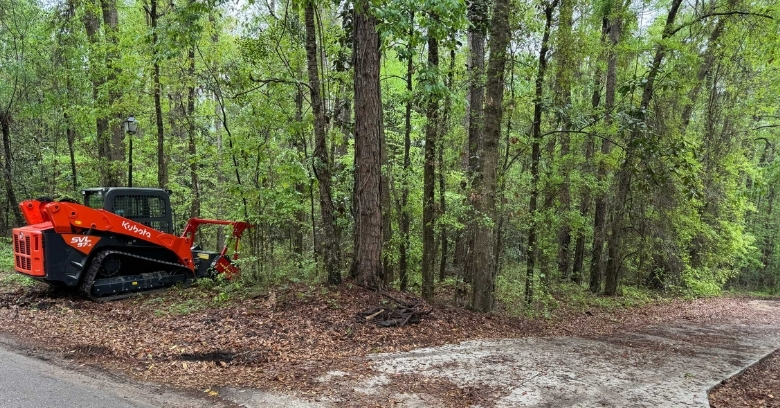
A forestry mulcher is a tractor or tracked machine with a heavy cutting head that shreds vegetation where it stands, and the chips stay on the ground and form a protective layer. Because the roots stay in the ground, the soil holds together better than after a bulldozer clearing, and it is often chosen for slopes, wet edges, and land near water.
The size of material a mulcher can handle depends on the machine, and the result is a clean, open, park-like look. The finished ground is covered with a carpet of chips, and the layer slows weeds and holds moisture.
Spraying Mulch and Seed on Bare Ground
Hydraulic mulching sprays a slurry of water, mulch fibers, and often seed onto bare ground, and the method covers acres in a day where hand spreading would take weeks. Erosion control is one of the main jobs of hydraulic mulching, and sites that have been graded often get hydromulch within days.
Planting season and rainfall both shape the timing of a spray job, and a good schedule fits the application between storms. Seed that suits the soil and the sun grows into a lasting cover, and watering during the first weeks speeds up growth.
Gentler Ways to Clear and Cover Ground
Using the vegetation that was cut as mulch closes the loop on the clearing job, and there is no smoke from burn piles. Gentler methods suit land near wetlands, ponds, and wildlife habitat, and a careful crew will mark the line it will not cross.
Organic mulch such as wood chips, pine straw, and bark is common in gardens and landscapes, and colors and textures vary with the source of the wood. Chips left from a clearing or tree job can be spread on paths and beds, and owners often ask the crew to leave the chips where they are useful.
Mulching Equipment and Methods
The carrier machine does the driving and the head does the grinding, and smaller units handle brush and vines in tight spaces. A hydroseeder is a tank on wheels with an agitator and a pump, and operators work in passes to cover the area evenly.
Safety is a big part of mulching work because the cutting head is powerful, and the crew checks the ground for hidden objects before the cut. Metal and stone strike the teeth and can fly out at high speed, and fixed objects like wells and posts need flags.
Local Conditions That Shape Mulching
Sand holds little water or nutrients, and mulch helps with both, and a covered surface stays cooler in the summer sun. The wet season runs through the summer with frequent heavy rain, and bare soil exposed in the wet season needs cover quickly.
Storm damage often leaves fallen trees and tangled brush that need to be cleared, and a mulched lot is easier to inspect for damage. Land managers often thin and mulch vegetation to lower fire risk, and local fire agencies publish guidance for owners.
Roots, Chips, and Bare Soil
After the trunk is ground, the stump and roots stay in the soil to decay, and stumps to be removed completely are handled with a dedicated stump grinder. A slope held by living and dead roots keeps its shape much better than bare soil, and mulching is often chosen for slopes, ditch banks, and pond edges.
Mulch from a field machine is rougher than the bagged mulch sold for flower beds, and a thick mat of fresh chips can tie up nitrogen briefly as it decomposes. A layer a few inches thick works well on most ground, but a thick pile smothers new growth, and it helps to check the depth near foundations and keep it thin there.
Seasonal Planning for Mulching
Machines work best on firm ground, and the drier part of the year provides that, and new seed needs rain after the application, but not a flood. Regrowth is normal and does not mean the first pass was wasted, and cutting sprouts while they are small is far easier than waiting.
Mulch is not permanent, and part of its value is that it decays into the soil, and a light touch each season beats a heavy overhaul. Local fire rules sometimes limit the amount of mulch near buildings, and gravel or bare ground near the walls is a safe choice.
Which Type of Mulching Fits Your Land
Forestry mulching is the choice when the problem is thick growth that has to come out, and exposed ground that must be seeded and held in place is the target of the hydraulic type. Forestry work opens the ground, and the hydraulic spray then protects it, and owners should ask how the pieces fit together.
Ordinary landscape mulching is the choice when the goal is to protect plants and beds, and the material can be delivered in bulk or made from cleared growth. Owners who describe the problem rather than the method get better advice, and the conversation goes fastest when the goal is clear.
Protecting Habitat During the Work
Thick brush shelters animals that nest, burrow, and hide in the growth, and the crew can pause or adjust the work for a nest or a den. Nesting season is the time of year when clearing needs the most care, and a short survey of the land by a person who knows the area is useful.
Questions to Settle Before Work Begins
The first step in any mulching job is knowing exactly where it starts and stops, and a site visit lets the crew see the land in person. Locating buried utilities before any machine goes on the ground is a standard step, and changes are easier to handle on paper than in the field.
Everything above comes down to one decision, and Hydraulic Mulching Contractor in The Florida Panhandle is where you make it, and the details are quick to confirm.
Dial 850-787-9300 to get your lot ready for its next use.