Exploring Hydraulic Mulching Services in The Florida Panhandle?
EZ Acre helps property owners in The Florida Panhandle turn brush and small trees into mulch.
Dial 850-787-9300 to go over the size of the area and the kind of vegetation.
What Mulching Means on Land
On a property, mulching usually means grinding or spreading plant material so it protects the soil, and the right type depends on whether the goal is clearing, erosion control, or protection. A layer of mulch keeps the sun from baking the soil and holds water near the roots, and it helps new grass and new plants get established.
Most people who search for Hydraulic Mulching Services have brush or bare ground that needs attention, and knowing the options makes it easier to ask good questions.
Forestry Mulchers Explained
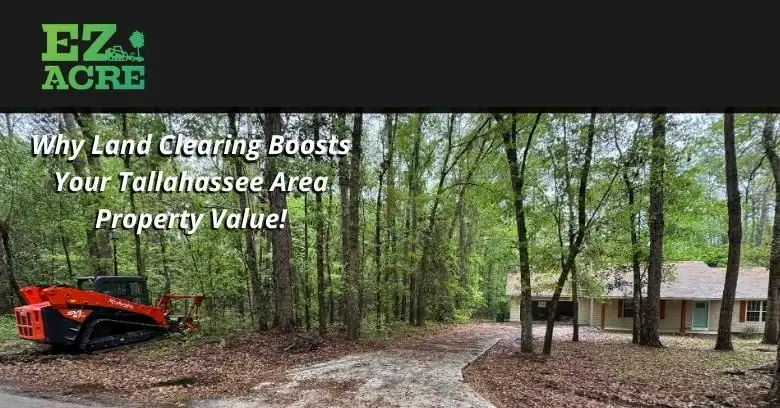
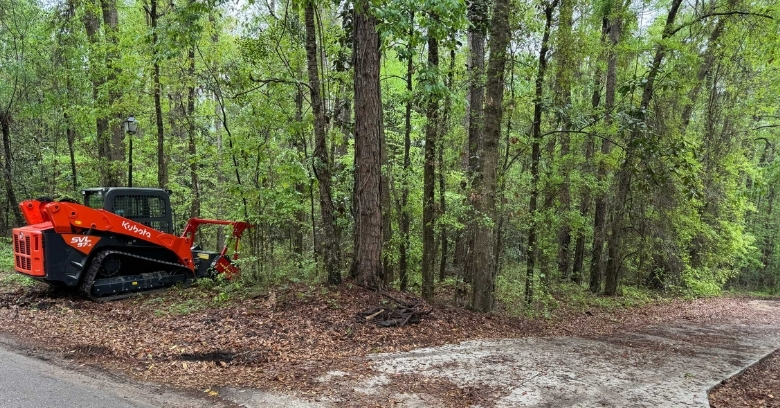
A forestry mulcher is a tractor or tracked machine with a heavy cutting head that shreds vegetation where it stands, and the chips stay on the ground and form a protective layer. The machine rolls over the ground rather than scraping it, and the mulch layer protects the surface from the next rain.
Light brush and vines are easy work, but big hardwoods call for a heavy machine, and a walk through the land before the work marks what stays. The mulch left behind is a thick blanket that suppresses new growth for a time, and a thick layer may need to be raked near buildings.
Spraying Mulch and Seed on Bare Ground
Spray-applied mulch covers large areas of soil quickly and evenly, and it is used on slopes, new lawns, roadsides, and freshly graded sites. Disturbed ground is vulnerable until grass grows in, and sites that have been graded often get hydromulch within days.
The slurry needs a dry day or two to set before heavy rain, and slopes may need an extra layer or a stronger binder. Seed that suits the soil and the sun grows into a lasting cover, and new grass needs time before it can take foot traffic.
Leaving the Land in Better Shape
Mulching keeps organic matter on the property instead of sending it away, and there is no smoke from burn piles. Near streams and wetlands, leaving roots and a mulch cover reduces runoff, and owners should ask about local rules before work begins.
Organic mulch such as wood chips, pine straw, and bark is common in gardens and landscapes, and colors and textures vary with the source of the wood. Chips left from a clearing or tree job can be spread on paths and beds, and owners often ask the crew to leave the chips where they are useful.
Machines Behind the Work
Different machines suit different terrain and different density of growth, and smaller units handle brush and vines in tight spaces. Hydroseeding equipment ranges from small trailers to large trucks, and steep slopes can be sprayed from the bottom with a long hose.
Machines that grind trees and brush are heavy and loud, and nearby buildings, vehicles, and fences need protection from thrown material. Old fencing and debris can be hidden by seasons of growth, and owners should point out anything they know is buried.
Ground and Weather Around The Florida Panhandle
Sand holds little water or nutrients, and mulch helps with both, and mulching can help new lawns and trees get a start. Rain and heat are the two main drivers of the schedule, and schedules should always include some room for weather.
Hurricane season runs from June through November and brings storms that fell trees and fill yards with debris, and clearing storm debris promptly keeps the yard safe and usable. Dense brush can also feed wildfires in dry seasons, and the mulch layer left behind is less flammable than standing brush.
Holding the Ground in Place
Mulching removes everything above the ground and leaves the root system in place, and building areas generally need stumps and large roots removed. The root mass under a cleared slope binds the soil together while new growth starts, and bare patches can be covered by hydraulic mulch if needed.
Chips from a mulching pass vary in size, from fine shreds to chunky pieces, and the appearance changes over time from fresh wood color to soft brown. The right depth depends on whether the owner wants to suppress growth or let seed sprout, and chips piled in one spot can be moved for use elsewhere.
When Mulching Works Best
Timing a forestry job for dry weather protects both the land and the schedule, and new seed needs rain after the application, but not a flood. Regrowth is normal and does not mean the first pass was wasted, and a managed property stays open with little effort.
Mulch breaks down over time and needs topping up where a thick layer is wanted, and weeds that sprout through a thin layer are pulled early. Dry wood chips can burn, so thick mulch is best kept away from structures, and chips are better used farther out on the property.
Choosing Between Mulching Types
Overgrown acreage that needs to be opened up calls for a grinding machine, and erosion control on bare ground is the main reason for spray application. Clearing first and covering second is a common order on land that will become lawn or pasture, and the plan should say which comes first and how long the gap will be.
Spreading wood chips or bark around trees and shrubs is the simplest and most familiar form of mulching, and the material can be delivered in bulk or made from cleared growth. The best starting point is what you want the land to look like afterward, and talk about how much time you have for the work.
Checking for Wildlife Before the Cut
Before a mulcher goes in, the land may hold nests, dens, and burrows, and a walk through the area before the cut shows many of the signs. Cutting during the main nesting months can destroy active nests and young birds, and the mulcher should be stopped if a nest is found.
Preparing for a Mulching Job
Start by marking the area to be mulched and describing the growth, and it helps to discuss trees to keep, trees to remove, and any areas to avoid. The details of access, permits, and disposal should be settled before the job starts, and the work goes smoothly.
Everything above comes down to one decision, and Hydraulic Mulching Services in The Florida Panhandle is where you make it, and a call usually settles the rest.
Reach us at 850-787-9300 to get your lot ready for its next use.