Land clearing is an essential step for residential, commercial, and agricultural projects, paving the way for new construction, farming, or property enhancement. Whether you are preparing to build a home in the heart of Tallahassee Florida or transforming rural acreage for agricultural purposes, understanding how to choose the right equipment for land clearing is just as important as selecting a skilled land clearing contractor. Each project comes with unique challenges, ranging from dense tree growth to stubborn underbrush, rocky soils, and uneven terrain. Having the right equipment is crucial not only for efficiency but also for the safety and overall outcome of your land improvement endeavors.
In Tallahassee and throughout the surrounding regions, the need for effective land clearing has never been more significant. North Florida's subtropical climate fosters rapid vegetation growth and the combination of sandy soils, occasional wetlands, and diverse flora makes every land clearing project distinct. Whether you are a landowner aiming to increase property value, a developer launching a new subdivision, or a local farmer renewing pastureland, the right approach can save time, money, and energy.
But what factors should guide you when picking the right equipment? Should you rent, buy, or hire a professional land clearing contractor? Which machines are best for trees versus brush or rocky versus flat terrain? How do you know that your land clearing approach complies with local regulations and environmental standards in Tallahassee, Florida? These are more than just logistical queries, they shape your project's success from the start.
This comprehensive guide dives into all aspects of selecting land clearing equipment. We will break down the various types of machinery available, when and why you need each, and how to match equipment to your unique site conditions. You will also find practical tips on working effectively with a land clearing contractor, as well as advice tailored for the Tallahassee area. If you are looking for actionable insights and the confidence to move forward with your land clearing project, you are in the right place!
Top Factors in Choosing Land Management Equipment
Let's get right to the heart of land clearing success - having the right tools for the job. Choosing the equipment that best suits your land in Tallahassee Florida demands careful consideration of several key elements. Here is what you need to know:
1. Understand the Size and Condition of Your Land
Before bringing in bulldozers or excavators, take a close look at the property. Are you facing thick forests, tangled brush, or just some scattered saplings? The answer dictates your equipment needs.
- Dense Forests: Large tracts of mature trees often require heavy-duty machines such as feller-bunchers, chainsaws, and forestry mulchers.
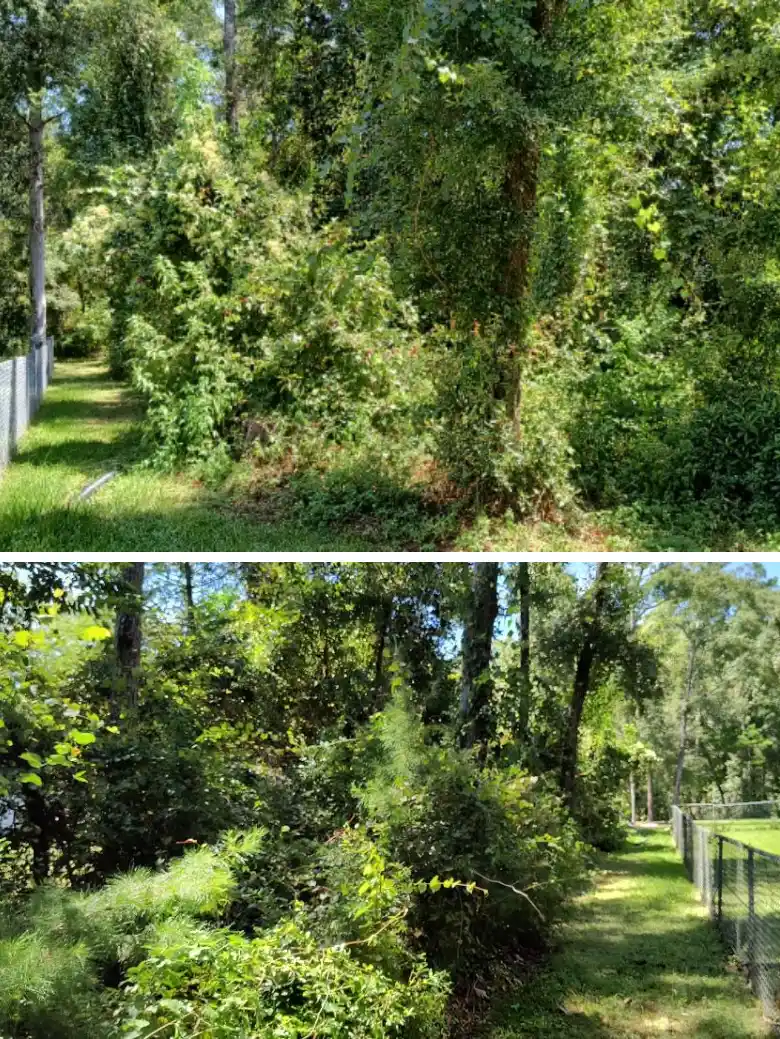
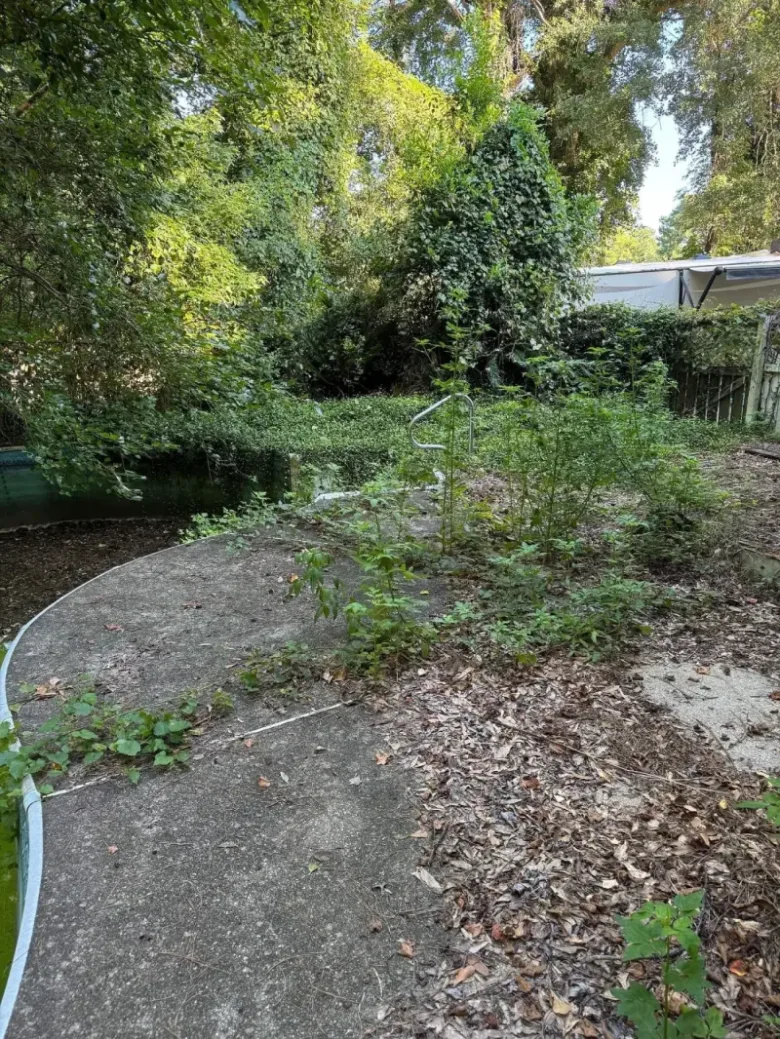
- Brush and Understory: Areas with scrub vegetation, vines, and saplings may be best tackled with brush cutters, skid steers, or compact track loaders equipped with mulching heads.
- Rocky or Hilly Terrain: Tractors with specialized attachments or excavators for digging and rock removal become indispensable.
- Wetlands: In Tallahassee and North Florida, wetlands often require low-ground-pressure equipment or amphibious carriers to prevent soil compaction and environmental harm.
2. Project Purpose: What Are You Clearing For?
Are you prepping a homesite, installing utilities, creating pastureland, or simply improving property aesthetics?
- Residential Construction: Focus on precision, minimal disturbance, and the ability to work close to existing structures. Smaller excavators and manual methods might be preferred.
- Agricultural Prep: Efficiency becomes paramount, requiring large tractors, heavy-duty brush hogs, or forestry mulchers.
- Commercial or Industrial: Large-scale projects often demand a combination of bulldozers, excavators, and dedicated land clearing equipment.
3. Environmental and Regulatory Factors
Tallahassee Florida has environmentally sensitive ecosystems, including wetlands and protected areas. Local regulations may restrict the types of equipment you can use or require specific methods for minimizing impact.
- Permitting: Always check for permits before starting. Your land clearing contractor should handle this, but DIYers need to be diligent.
- Erosion Control: Consider equipment that enables precise work and includes erosion control features.
4. Accessibility and Logistics
Steep slopes, limited access, or soft ground may require compact, agile equipment rather than large, heavy machines. Consider transport logistics as some machines are difficult to move in and out of tight rural properties.
5. Budget Considerations
Renting equipment makes sense for short-term, small projects. For ongoing work or jobs over several acres, investing in your own gear might be more cost-effective. Partnering with a professional land clearing contractor in Tallahassee can also provide access to more advanced machinery without the upfront investment.
Equipment Options and When to Use Each
Now, let's break down the most popular equipment choices for land clearing, including their applications, pros and cons, and best use cases.
1. Chainsaws and Hand Tools
- Ideal For: Small areas, selective tree removals, detailed work near structures.
- Pros: Inexpensive, easily portable, precise.
- Cons: Labor-intensive, slow for large projects, and potential safety hazards.
- Best For: Homeowners clearing a small lot or performing maintenance around existing buildings.
2. Brush Cutters and Mulchers
- Ideal For: Clearing dense brush, small trees, and undergrowth quickly.
- Pros: Fast, efficient, can handle varying terrain.
- Cons: Less effective on very large trees, may require a tractor or skid steer as a base.
- Best For: Regaining control of overgrown fields or prepping pastureland.
3. Skid Steers and Compact Track Loaders with Attachments
- Ideal For: Versatility on small to medium projects.
- Pros: Variety of attachments including mulchers, saws, and buckets; excellent for sites with tight spaces.
- Cons: Limited reach and power compared to full-size dozers or excavators.
- Best For: Mixed-use residential or commercial sites, where flexibility is key.
4. Bulldozers
- Ideal For: Large-scale clearing, moving earth, tackling heavy vegetation.
- Pros: Powerful, can clear large tracts quickly, ideal for prepping building pads.
- Cons: Expensive, requires a skilled operator, can cause soil compaction and environmental disturbance.
- Best For: Major land development, commercial or agricultural expansion in Tallahassee.
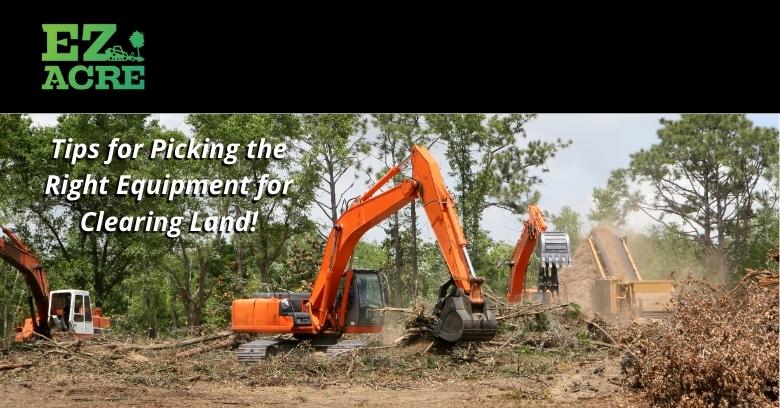
5. Excavators
- Ideal For: Tree and stump removal, digging, handling uneven or sloped areas.
- Pros: Precision work, various attachments make them adaptable.
- Cons: Not always the fastest for large-scale brush clearing.
- Best For: Removing obstacles, trenching for utilities, or reaching inaccessible areas.
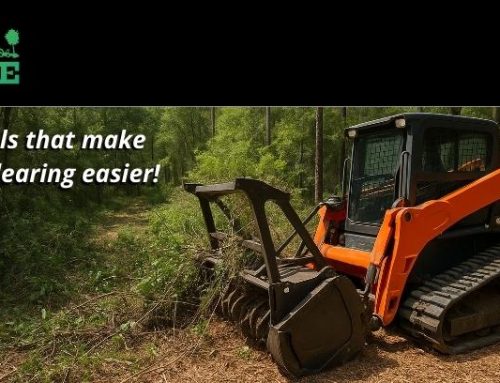
6. Forestry Mulchers
- Ideal For: Quickly turning trees and brush into mulch.
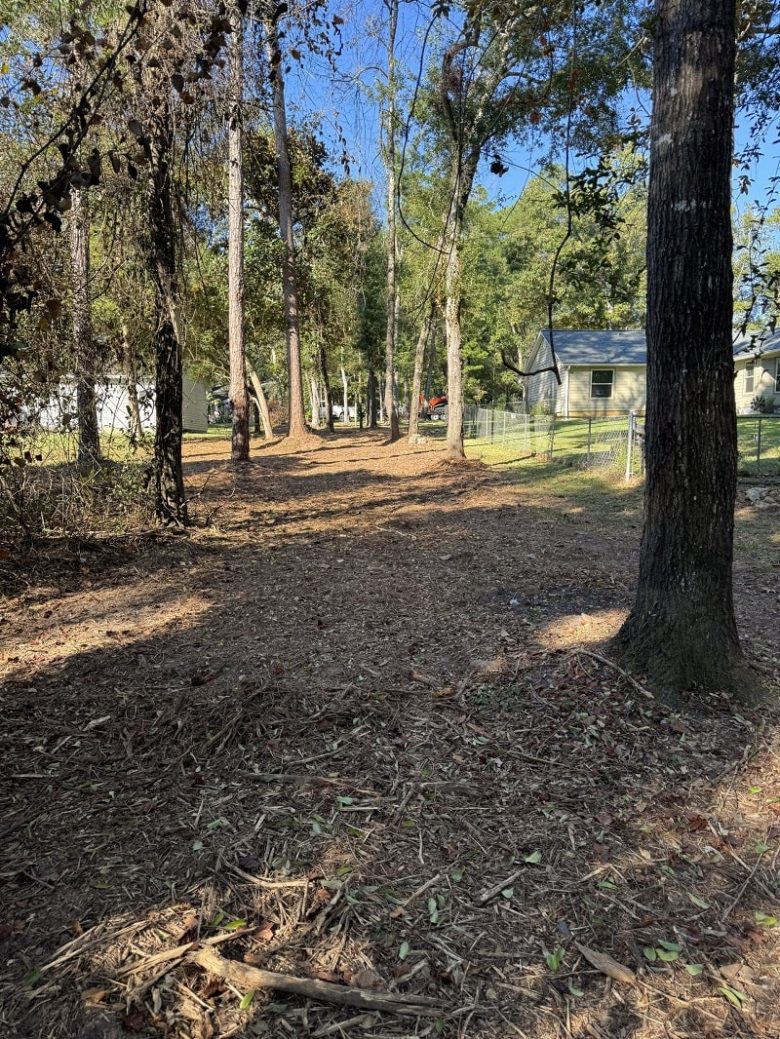
- Pros: Minimizes debris, reduces the need for hauling or stacking, and causes less soil disturbance.
- Cons: Not effective on very large trees, higher initial cost.
- Best For: Environmental land management, prepping sites in Tallahassee where speed and minimal ground disturbance matter.
7. Specialized Equipment for Tallahassee's Landscape
In Tallahassee Florida, sandy soils and a humid climate introduce unique challenges. Low-ground-pressure machines, amphibious carriers, and PTO-driven mulchers can help navigate wetlands while minimizing soil compaction.
Collaborating with Land Management Contractors
While DIY land clearing has its place, most property owners benefit from working with a reliable land clearing contractor. Here is why:
- Expertise: Local contractors understand Tallahassee's soil types, flora, and permitting requirements.
- Efficiency: Contractors have ready access to specialized equipment, often combining machines for maximum productivity.
- Compliance: Professionals help you avoid costly fines and delays related to environmental violations.
- Safety: Large or hazardous jobs are best handled by trained crews.
Tips for choosing a land clearing contractor in Tallahassee:
- Ask for proof of insurance, references, and examples of similar projects.
- Verify that they are knowledgeable about local regulations, especially restrictions related to wetlands and protected species.
- Request a detailed estimate outlining which equipment will be used and why.
Matching Equipment to Tallahassee's Unique Needs
In Tallahassee Florida, picking the right equipment involves more than just horsepower. The area's subtropical growth, unpredictable weather patterns, and local ordinances shape every project.
- Wetlands and Water Management: Low-impact equipment is critical around sensitive habitats.
- Hurricane Preparedness: Fast, efficient clearing after storms often requires strong, multi-purpose machines capable of handling downed timber and debris.
- Soil Conditions: Sandy soils mean equipment should be chosen to avoid unnecessary compaction.
Whether you are clearing a quarter-acre lot or a sprawling tract on the city's edge, thoughtful equipment selection, possibly in partnership with an experienced land clearing contractor, will confirm lasting value and compliance with all local regulations.
Conclusion
Land clearing in Tallahassee Florida is more than just removing trees and brush; it is about preparing your property for its next chapter, whether that is a family home, a new farm, or a thriving business. The success of your project hinges not only on having a well-defined vision but also on picking the right equipment for the job. From chainsaws for delicate finishing touches to bulldozers and forestry mulchers for large-scale transformation, every tool plays a distinct role.
Partnering with a skilled land clearing contractor in Tallahassee brings unparalleled advantages in knowledge, resources, and regulatory compliance. By focusing on the unique conditions of your property including size, terrain, environmental sensitivities, and your end goals, you can streamline your land clearing process, control costs, and preserve the long-term health of your land.
As the landscape of North Florida continues to evolve, well-executed land clearing projects will set the stage for more sustainable development and agricultural productivity. Take the time to research your options, consult with experts, and invest in methods that best fit your property's needs. The right equipment, combined with local expertise, will transform your land and open the door to countless possibilities!
Key Takeaways
- Assess Your Property Thoroughly: Walk your land and identify the main challenges such as dense woods, tall brush, rocky soil, or wetlands to align equipment selection with the site's actual needs.
- Define Your Project Goals: Whether you are preparing for construction, farming, or landscaping improvements, your objectives shape your equipment choices such as precision for homesites versus power for agriculture.
- Factor in Site Conditions: Terrain, soil type, and local climate all influence which machines will operate effectively and safely on your land in Tallahassee Florida.
- Prioritize Environmental Compliance: Be aware of permits, protected areas, and local erosion controls. Equipment that minimizes ground disturbance is invaluable near wetlands or sensitive habitats.
- Choose the Right Scale of Equipment: Use hand tools and brush cutters for small jobs; opt for dozers and mulchers for major clearing. Skid steers are flexible for intermediate needs.
- Work With Local Contractors: A reliable land clearing contractor brings regional expertise, access to specialized machinery, and knowledge of Tallahassee regulations.
- Consider Budget and Logistics: Renting equipment is cost-effective for short projects, while contractors provide turnkey solutions without large equipment investments.
- Evaluate Safety Risks: Clearing land is hazardous. Proper training, protective gear, and qualified operators reduce injury risks, especially with heavy machinery.
- Match Equipment to Vegetation Type: Tree-heavy parcels demand saws and feller bunchers; brushy lots can be handled with mulching heads and compact loaders.
- Plan for Debris Management: Consider equipment that mulches on-site to reduce removal needs or factor in the cost and logistics of hauling waste, all in accordance with Tallahassee ordinances.
FAQs
1. What is the best equipment for land clearing in Tallahassee Florida?
The best equipment depends on property size, vegetation type, and terrain. For dense forests, a combination of bulldozers, excavators, and forestry mulchers is ideal. For lighter brush, skid steers with mulching attachments work well. Always consider local soil and wetland issues.
2. How can I choose a dependable land clearing contractor in Tallahassee?
Look for contractors with local references, proper insurance, and experience in similar projects. They should be familiar with Tallahassee land regulations and can provide detailed project estimates.
3. Is it better to rent equipment or hire a land clearing contractor?
For small, simple projects, renting can be cost-effective. Larger or more complex jobs typically benefit from the expertise and efficiency of a professional land clearing contractor, who brings all necessary equipment.
4. What permits are required for land clearing in Tallahasse, Florida?
Permitting requirements vary; you may need city or county permits, especially near wetlands. A qualified land clearing contractor can advise and handle permit acquisition.
5. What is the safest method for clearing wooded lots?
The safest approach is using machinery operated by trained professionals, with chainsaws used only for isolated trees. Always wear safety gear and follow best practices to minimize hazards.
6. Can land clearing equipment damage my property?
Heavy machines can compact soil, damage root systems, or disturb wetlands if not used correctly. Choosing the right equipment and working with experienced contractors helps prevent property damage.
7. How do forestry mulchers compare to traditional bulldozers?
Forestry mulchers are less invasive, they shred vegetation where it stands and minimize soil disturbance. Bulldozers are better for large-scale earthmoving or removing large stumps.
8. What are the environmental concerns with land clearing in North Florida?
Key issues include erosion, habitat loss, and wetland disruption. Equipment selection and professional guidance provide compliance with environmental standards.
9. Is clearing land in wet conditions advisable?
It is best avoided as wet soil increases the risk of rutting and compaction. Use low-ground-pressure equipment if work is necessary during wet periods or after storms.
10. How can I manage debris after land clearing?
Mulching equipment reduces the volume of debris and helps recycle nutrients. Otherwise, budget for hauling and proper disposal, following Tallahassee's local waste regulations.