

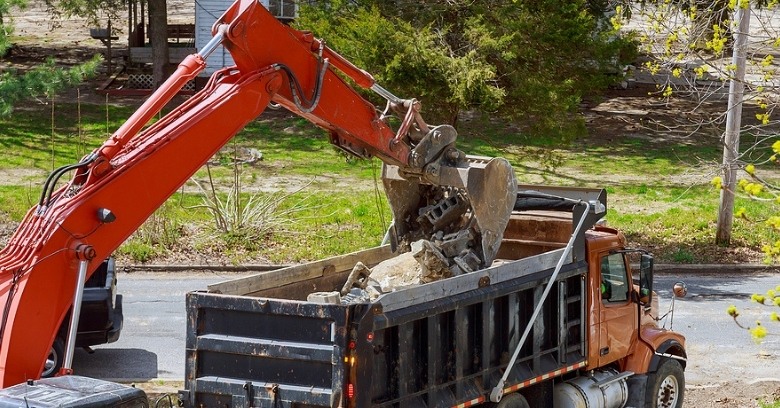
Getting ready for Debris Removal in Woodville Florida?
EZ Acre works on debris cleanup for lots, yards, and job sites in and around Woodville Florida.
Phone 850-787-9300 to go over the size of the pile and the access to it.
The Basics of Debris Cleanup
Debris cleanup covers the sorting, loading, and removal of limbs, brush, and leftover materials, and the type of debris decides the equipment and the disposal method. Debris collects for many reasons, such as storms, clearing, construction, and neglect, and knowing the source helps the crew plan the work.
Most people who search for Debris Removal have a pile or a scattering of material they cannot manage alone, and the rest of this page covers the main types of debris and the details that matter.
Fallen Trees and Scattered Limbs
High winds and flooding can turn a tidy lot into a field of storm debris, and crews are in high demand after a major storm, and waiting times grow. Public collection programs may run for only a limited time after a storm, and asking early avoids confusion later.
The most dangerous part of storm cleanup is not the heavy material but the hidden hazards, and the area should be kept clear until a professional has assessed it. Damaged trees need to be inspected before anyone works beneath them, and it helps to keep people and vehicles away from the drop zone.
Brush and Yard Waste
Yard debris is the plant material that builds up from trimming, pruning, and storms, and dry brush is fuel and should be kept away from buildings. Crews load by hand or with a grapple, depending on the size of the material, and the debris should be piled where the truck can reach it.
Some counties collect yard waste on set days and in set amounts, and burning is restricted in many places, especially during dry spells. Grinding on site is a practical choice for large amounts of woody waste, and chipping works on branches but not on large logs.
Material That Comes With Projects
Debris from clearing includes both large timber and fine brush, and the options are hauling away, chipping, burning where allowed, or burying in some cases. Construction projects generate scrap lumber, packaging, and broken materials, and hazardous items need special handling.
Anything that is hazardous should be set aside from the general debris, and safe disposal protects workers, neighbors, and the environment. Clean wood and brush can often go to a mulching or recycling facility, and material that is clean and separate is welcome at more sites.
Loading, Hauling, and Cutting
A skid steer pushes and loads material in tight spaces, and access to the site decides which machines can be used. Gloves, boots, eye protection, and hearing protection are standard for crews, and property owners should keep children and pets away from the work.
What the Climate Means for Debris Work
Sandy soil drains quickly but can be loose, and wet low spots hold water for long periods, and dry weather is the best window for hauling. Storms can interrupt outdoor work and soften the ground quickly, and crews often start early and finish before the afternoon storms.
Warm weather and rain make plants grow quickly, and trimming produces a lot of waste, and a monthly or seasonal pass keeps the pile from growing. A yard free of piles and loose items suffers less in high wind, and an annual check of large trees near buildings is wise.
Sending Material the Right Way
Separating wood, brush, soil, metal, and trash lets each type go to the right place, and construction material is handled differently from yard waste. Brush that is clean of trash and plastic is welcome at most mulching sites, and trash mixed into brush can spoil an otherwise reusable load.
What Can Be Living in a Brush Pile
A pile that has sat for a season or more is a ready-made habitat, and gloves, boots, and long pants are the minimum for anyone handling it. Sharp metal, nails, and glass hide in debris from buildings and storms, and the pile should be taken apart slowly from the top.
Burn Bans and Dry Spells
Smoke and sparks are a concern for neighbors, roads, and the surrounding land, and a pile that was legal to burn last month may be banned this month. Large piles are better removed than burned in most circumstances, and the safest pile is a small one.
Access, Staging, and Scheduling
Narrow gates, soft ground, and low branches can slow a crew, and piles in the back of a lot may need a loader or a long haul. Bringing limbs to the curb or a staging area before pickup reduces the work for the crew, and it helps to keep pets and children away from the staged piles.
Cleanup demand spikes in the days after a weather event, and a calm weather window is the best time for heavy hauling. Photos taken before and after the cleanup show what was there and what was done, and file the records where they can be found later.
Large Lots, Job Sites, and Repeat Cleanups
Large properties accumulate brush, fallen limbs, and discarded material over a long time, and a walk across the property helps map out the piles and the routes. Regular cleanup is easier than a big one after neglect, and vacant land that is left alone fills up fast.
Piles that sit close to a neighbor property can cause disputes if they are moved without notice, and a photo of the line is useful for later. Blocked ditches and culverts back up water and cause flooding in heavy rain, and a clear ditch is one of the simplest protections against flooding.
Rain soaks brush and wood, which raises the weight of every load, and trucks carry fewer loads when debris is soaked.
Preparing for a Cleanup Job
The first step in any cleanup is knowing what is to be removed and where it is, and it helps to note anything that should be saved, such as firewood or lumber. Confirm what is included in the work and what is not, and there are no surprises when the crew arrives.
A clear idea of what needs to go makes Debris Removal in Woodville Florida simple to narrow down, and it is easy to take it from there.
Ring 850-787-9300 to get your lot clear and ready to use.
Verified

Verified
Verified
Verified
Verified














