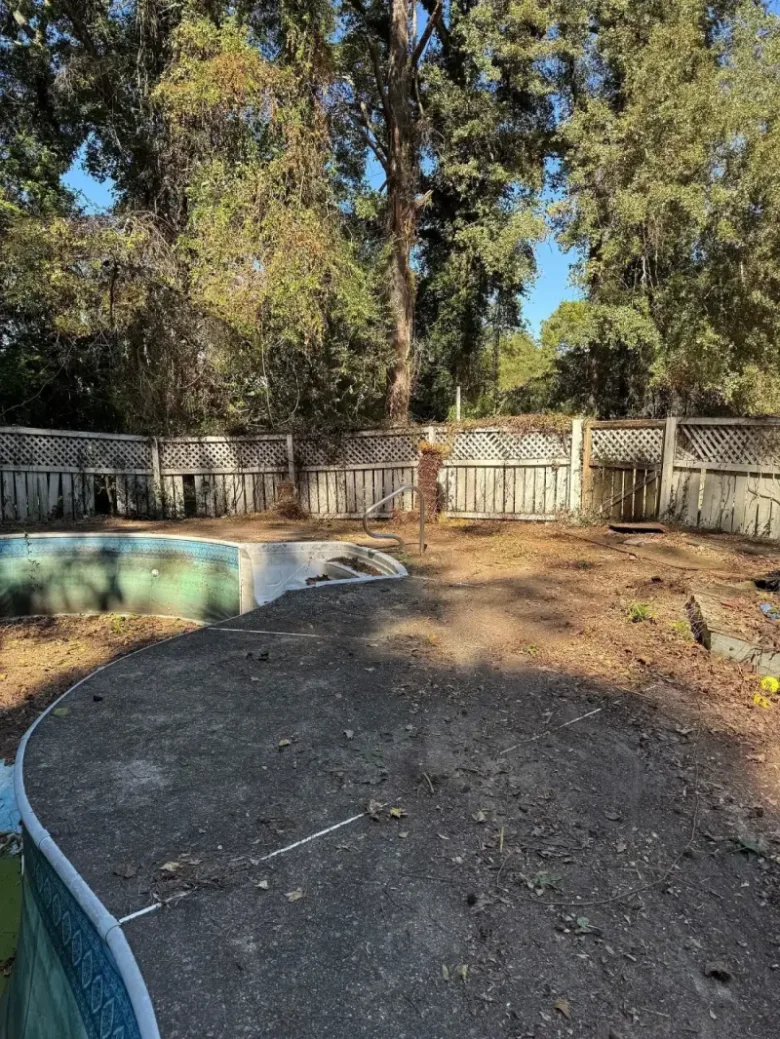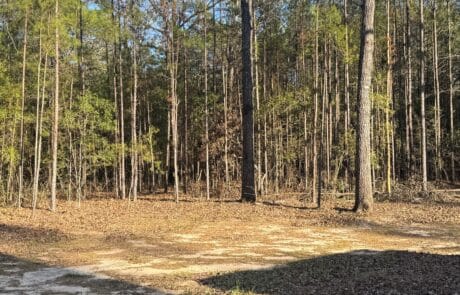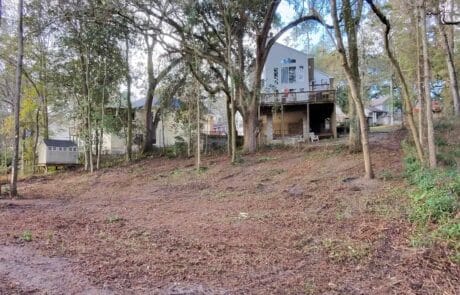

Land clearing is the first vital step in transforming a raw plot of land into a valuable asset. Whether you are planning to build a new home, set up a business, or develop an agricultural project, the process of land clearing lays the groundwork for everything that follows. In regions like Tallahassee Florida where lush vegetation and varied terrain are the norm, understanding the intricacies of land clearing becomes even more crucial. Land clearing may involve the removal of trees, shrubs, vegetation, stumps, as well as debris and it is not simply about making space. It is about preparing the land in a thoughtful, efficient, and environmentally responsible manner.
For many property owners and developers in Tallahassee Florida, the process starts by seeking advice from a trusted land clearing contractor. These professionals not only bring specialized machinery to the site but also have the experience required to analyze the land's condition, anticipate potential hurdles, and make sure that the clearing is conducted safely. Since every piece of land has its own unique characteristics, thorough groundwork such as soil testing and consideration of water drainage patterns is essential. These initial steps guarantee that post-clearing activities, including construction or agricultural development, are supported by stable and well-prepared ground.
Moreover, there are environmental considerations to consider. Preserving the natural habitat while removing only what is necessary is a fine balance that responsible land clearing aims to achieve. In Tallahassee, where biodiversity is a strong part of the local heritage, property owners must check local regulations and secure proper permits before embarking on any clearing project. A trusted land clearing contractor will guide you through these local legal frameworks so that the process meets environmental guidelines. By combining technical know-how with local insights, the transition from raw land to a productive piece of property becomes efficient and safe.
As you explore the basics of land clearing, you will find that planning is just as important as execution. From understanding the equipment needed and assessing the land condition to selecting a reliable contractor, every step is intertwined. In this article, we will delve into the methods, benefits, and safety measures associated with land clearing while keeping the local context of Tallahassee in focus. Whether you are an experienced developer or a new property owner, this guide offers valuable tips for making your land clearing project a success.
Understanding the Essential Basics of the Land Management Process
Land clearing is a multifaceted process that involves careful planning and execution. At its core, the practice is much more than just ridding an area of its natural growth. It is about preparing the soil, managing drainage, and making certain that the land is safe for future use. The process typically begins with a comprehensive evaluation of the site. In Tallahassee Florida, where the topography can range from flat urban plots to more rugged rural landscapes, understanding the local terrain is imperative. This evaluation is often carried out by a dedicated land clearing contractor who possesses local expertise and an extensive understanding of regional environmental regulations.
1. Methods and Techniques of Land Management
Several techniques are employed in land clearing, each suited to different types of terrain and project goals. Mechanical clearing might involve heavy equipment such as bulldozers, excavators, and brush cutters to remove trees and vegetation with speed and efficiency. In areas where precision is key, such as near waterways or existing infrastructure, manual clearing might be necessary. Manual methods allow experts to selectively remove vegetation without disturbing soil quality, which is especially important in sensitive ecosystems.
2. The Role of a Land Management Contractor
A skilled land clearing contractor plays a pivotal role throughout this process. They bring not only the right machinery but also years of experience to the project so that it is completed efficiently and safely. When hiring a professional, look for certifications, previous project reviews, and an in-depth familiarity with local regulations. A reliable contractor will also conduct a thorough risk assessment, determining any potential hazards such as unstable ground or endangered species habitats, which need to be addressed before work begins.
In Tallahassee where weather conditions can rapidly change and sandy soils are common, selecting a proficient contractor becomes very important. These professionals are well-versed in the challenges posed by local conditions, including managing unexpected water flow and making sure proper soil stabilization post-clearing. Their expertise can make the difference between a project that runs smoothly and one that faces delays or environmental setbacks.
3. Planning and Preparations for Land Management
Effective planning is the foundation of any successful land clearing project. Initially, property owners must secure all necessary permits, as local authorities in Tallahassee maintain strict regulations on land modification to protect natural resources. Detailed site surveys, including topographic mapping and soil testing, should be conducted before any physical work begins. These surveys help identify areas that might require additional attention due to unstable soil or potential water runoff issues.
Safety is another paramount concern. The process of land clearing can expose workers to numerous hazards, from heavy machinery accidents to unexpected collapses in unstable terrain. Therefore, contractors must be experienced in safety protocols. They should provide on-site safety training, be sure that everyone wears the proper protective equipment, and have emergency measures in place should unforeseen circumstances arise.
4. Environmental Considerations and Best Practices
Maintaining a balance between development and conservation is essential when clearing land, particularly in environmentally sensitive regions like Tallahassee Florida. IIf not handled properly, land clearing can lead to soil erosion, loss of habitat for native species, and diminished water quality. Responsible contractors employ strategies to mitigate these risks, such as leaving buffer zones near waterways, using dredging techniques, or replanting native vegetation after project completion.
Moreover, post-clearing soil management is critical. The exposed soil must be checked for vulnerabilities such as excessive runoff and erosion. Contractors often recommend planting cover crops, adding mulch, or using other soil stabilization techniques to be sure that the cleared land remains healthy and productive.
5. Budgeting and Project Efficiency
Cost management is a significant factor in any land clearing project. The overall expense will depend on the size of the land, the density of vegetation, and the chosen method of clearing. While hiring a professional land clearing contractor might seem like an expensive option, their expertise often results in a more efficient process, potentially saving money in the long term through reduced delays and minimized environmental damage. Contractors can also help secure bulk material removal or recycling services to manage costs further.
By examining cost factors early in the planning phase, property owners can align their budget with realistic expectations. It is advisable to request detailed proposals from several contractors, comparing services, equipment used, and environmental safety measures. In areas like Tallahassee where market conditions may vary seasonally, timing can also be a significant factor in pricing. With thorough research and detailed planning, land clearing can be a cost-effective and transformative process.
In summary, land clearing is a complex and multifaceted process. It involves not only the physical removal of vegetation and obstacles but also careful planning, environmental care, and cost management. Relying on a skilled land clearing contractor can make a significant difference so that the cleared land not only meets current needs but also remains sustainable for future developments.
Conclusion
To wrap up, understanding the basics of land clearing is essential for anyone looking to transform their property, whether for residential, commercial, or agricultural purposes. In Tallahassee Florida, this process gains additional importance due to the region's unique environmental and regulatory landscape. Choosing the right land clearing contractor is a critical step as professionals bring the necessary equipment, knowledge, and adherence to safety protocols that make sure the project is executed smoothly and responsibly.
Navigating the multifaceted challenges of land clearing, from selecting the appropriate methods to protecting the environment, requires careful planning and a clear understanding of both the land's potential and its limitations. Detailed site evaluations, obtaining the correct permits, and thorough risk assessments are crucial before any physical work starts. By employing a combination of mechanical, manual, and sometimes chemical clearing methods, projects can be tailored to meet specific needs while honoring the natural heritage of Tallahassee and surrounding areas.
Furthermore, the importance of post-clearing soil maintenance cannot be understated. Addressing issues such as erosion and making sure that proper soil stabilization sets the stage for future development and sustainability. As we have seen in real-world case studies, a well-planned project not only transforms the land but also yields long-term benefits in productivity and environmental health. Whether you are a property owner embarking on a new venture or a developer with vast projects in mind, equipping yourself with the right knowledge and expertise in land clearing will pave the way for success in all your future endeavors.
If you are ready to start your land clearing project, now is the time to consult with experienced professionals, understand local regulations, and prepare your land for a bright and sustainable future. Take the first step by gathering all necessary information, budgeting accurately, and choosing a trusted land clearing contractor who understands the local nuances of Tallahassee, Florida!
Key Takeaways
- Plan Thoroughly: Before beginning any land clearing project, invest time in thorough planning. Identify the purpose of the clearing, conduct site surveys, and understand local environmental regulations. This planning stage will help map out every step of the process, reducing potential setbacks so that the cleared land can be optimally used after the project is complete.
- Understand Local Regulations: In locations like Tallahassee Florida, local regulations can be strict regarding land modification and environmental protection. Always secure the necessary permits and check with local authorities before starting your project. This not only ensures compliance but also fosters an environmentally responsible approach to land clearing.
- Hire Experienced Professionals: A reliable land clearing contractor brings specialized equipment and expertise to the project. Their experience is critical in dealing with complex terrains, safety hazards, and environmental concerns. Choosing a professional who understands local conditions can improve project efficiency and result in a safer, more sustainable clearing process.
- Safety First: Land clearing can pose numerous risks to both workers and the environment. Employ safety protocols, use protective gear, and make sure that all machinery is correctly operated. A contractor with strong safety standards can minimize potential hazards and protect both people and property during the clearing process.
- Environmental Considerations: Balancing development with nature is essential. Preserve key natural features to avoid unnecessary clearing and implement post-clearing soil stabilization techniques to prevent erosion. Responsible practices, such as leaving buffer zones near water bodies, can help maintain local biodiversity and protect sensitive ecosystems.
- Evaluate Different Clearing Methods: Mechanical and manual clearing methods each offer unique benefits and may be best suited to different scenarios. Evaluate these options carefully based on terrain, vegetation type, and project goals. Combining techniques can often provide the most effective and environmentally sustainable results.
- Budget Wisely: Understand that costs can vary widely depending on the size and complexity of your project. Early budgeting allows for more informed decisions when selecting equipment and contractors. Request multiple detailed proposals to compare services so that you are getting both quality and affordability.
- Prepare for Post-Clearing Maintenance: Once the area is cleared, the work is not finished. Plan for soil stabilization, erosion control, and potential replanting to be sure that the land remains productive and safe for future use. This step is critical to avoid long-term damage to the land and to sustain its usability.
- Consult Local Experts: Local expertise is invaluable in regions like Tallahassee Florida. Local contractors understand the technical challenges and environmental nuances specific to the area. Their knowledge can help navigate potential pitfalls and identify the best strategies for a successful land clearing project.
- Continuous Learning and Adaptability: The field of land clearing is continuously evolving with new technologies and methodologies. Stay informed about the latest techniques as well as regulatory changes and be open to adapting your approach as new information becomes available. This commitment to learning can lead to better project outcomes and a more sustainable future for your land.
FAQa
1. What is land clearing and why is it important?
Land clearing is the process of removing trees, vegetation, stumps, and debris from a piece of land. It can either clean up a residential area that has become filled with vegetation or prepare an area for construction, agriculture, or other developments. This process is crucial as it makes sure of safety, improves land usability, and facilitates effective land management, especially in areas like Tallahassee Florida.
2. How do I choose the right land clearing contractor?
When selecting a land clearing contractor, prioritize experience, certifications, and a strong local reputation. Look for reviews and ask for references. Additionally, be sure they are knowledgeable about local regulations in Tallahassee& Florida to avoid any compliance issues during your project.
3. What methods are used in land clearing projects?
Various methods are used in land clearing, including mechanical methods with heavy machinery, manual clearing for precision tasks, and sometimes chemical treatments to control regrowth. The chosen technique depends on factors like terrain, vegetation density, and environmental impacts so that that the right method is applied for optimal results.
4. Are permits required for land clearing in Tallahassee Florida?
Yes, permits are typically required for land clearing in Tallahassee. Local environmental regulations mandate that property owners secure the appropriate approvals to make sure that the project does not harm the local ecosystem. Consulting with a reliable land clearing contractor can help you navigate these requirements.
5. What safety measures should be taken during land clearing?
Safety is paramount during land clearing. Contractors should enforce strict safety protocols, provide protective gear, and be sure that trained professionals operate all machinery. Adequate planning, emergency preparedness, and regular site inspections help minimize risks and safeguard workers and the environment.
6. How does land clearing impact the environment?
If not managed responsibly, land clearing can lead to soil erosion, habitat loss, and water quality issues. Yet with the implementation of best practices such as maintaining buffer zones, using erosion control measures, and replanting native species, the environmental impact can be minimized, allowing for sustainable development.
7. Can land clearing increase the value of my property?
Yes, effective land clearing can increase property value by making the land more usable and attractive for development. Whether you plan to build a home, start a farm, or develop commercial property, cleared land offers improved functionality and potential for higher returns on investment.
8. What factors influence the cost of a land clearing project?
Costs vary depending on the size of the property, the density of vegetation, the necessary equipment, and the complexity of the terrain. Hiring an experienced land clearing contractor often makes certain that costs are managed efficiently. Additionally, factors like permits, waste disposal, and post-clearing maintenance influence the overall expense.
9. How long does a typical land clearing project take?
The timeline for land clearing can vary significantly depending on the size of the property and the chosen method. A small, straightforward project in Tallahassee Florida might take a few days, whereas larger and more complex projects could extend over several weeks. Detailed planning and proper equipment can help complete the project on schedule.
10. What are the benefits of hiring a professional land clearing contractor?
Professional land clearing contractors bring expertise, advanced machinery, and a commitment to safety and regulatory compliance. Their local knowledge, especially in areas like Tallahassee, means that projects are completed with minimal environmental impact and maximum efficiency. Their guidance throughout planning and execution can turn a challenging project into a smooth transition from raw land to a fully developed site.