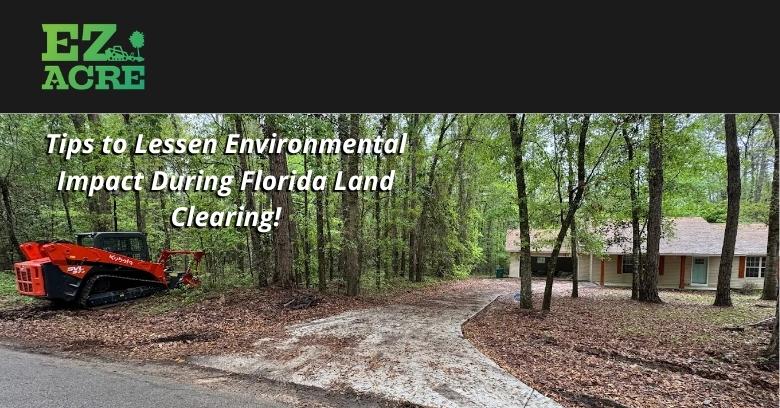
Land clearing is a vital step in preparing raw property for new construction, agricultural projects, or restoring overgrown areas. In vibrant regions like Tallahassee Florida and its neighboring areas such as Quincy, the need for effective yet environmentally responsible land management has never been greater. Growing urban development, expanding agricultural lands, and the demand for commercial space frequently lead property owners to seek out reliable land clearing contractors to help transform dense landscapes into usable sites. Yet amid rapid growth and development, there is a mounting responsibility for contractors and landowners to balance progress with the planet's health.
Florida's rich biodiversity, fragile ecosystems, and strict environmental regulations make land clearing a topic that goes beyond bulldozers and brush. The area&'s unique blend of wetlands, pine forests, and native wildlife means any land clearing activity in Tallahassee or Quincy Florida must be handled with exceptional care. Errant clearing methods can unleash long-term damage including eroding soil, disrupting water flow, fragmenting habitats, and even accelerating invasive species spread. That is why finding the right land clearing contractor is not just about speed or cost; it is about expertise, responsibility, and stewardship.
Whether you are a property owner looking to build a home, a farmer seeking to expand operations, or a developer planning a new community, understanding the environmental implications of your land-clearing project is crucial. Modern land clearing is a nuanced process, one that calls for knowledge of regional regulations, respect for natural resources, and a commitment to best practices that minimize unwanted impact. As climate concerns continue to grow and more Floridians become invested in the future of their local landscapes, the emphasis on responsible land management is at an all-time high.
In this comprehensive guide, we will explore actionable strategies to minimize ecological disruption during land clearing in Florida. We will highlight the important role of choosing an experienced land clearing contractor, delve into the unique environmental considerations in Tallahassee and Quincy, and offer actionable tips for sustainable site preparation. With proactive planning and mindful execution, you can achieve your project's goals while safeguarding the cherished natural beauty that defines the Sunshine State.
Sustainable Land Management: Why It Matters in Tallahassee and Quincy Florida
At its core, land clearing involves the removal of trees, brush, stumps, and other obstacles from a site to make way for new use. While the process sounds straightforward, the choices made during clearing have lasting ripple effects. In areas like Tallahassee Florida and neighboring Quincy, landowners and contractors face unique challenges ranging from dense native forests and fluctuating water tables to the presence of endangered wildlife and sensitive soils. The stakes are high, as the health of local watersheds, community resilience, and even property value are all tied to the integrity of the surrounding environment.
Here is why responsible land clearing should be a top priority:
-
Protecting Local Biodiversity:
The Tallahassee/Quincy region hosts a remarkable array of plant and animal life, including many endemic and threatened species. Unplanned clearing can fragment habitats and eliminate critical corridors for native wildlife. Engaging a knowledgeable land clearing contractor who understands local ecosystems is crucial for mapping out which areas should be preserved, what vegetation to spare, and how to mitigate harmful side effects. -
Preventing Soil Erosion and Water Pollution:
Florida soils, especially in the Panhandle, are prone to erosion once top vegetation is stripped away. When land is cleared without proper planning, rainwater can carry fertile topsoil, pesticides, and debris into nearby streams, rivers, and aquifers. Sediment-laden runoff can degrade water quality, block natural waterways, and harm aquatic life in the region. Implementing erosion control techniques, such as silt fences, vegetative buffers, and staged clearing, helps maintain the balance between development and preservation. -
Complying With Florida's Environmental Regulations:
The state of Florida has strict land use and environmental protection laws, including those enacted by the Florida Department of Environmental Protection or FDEP and local authorities. Whether clearing for agriculture in Quincy or preparing a building site in Tallahassee, compliance is non-negotiable. A reliable land clearing contractor will be well-versed in obtaining necessary permits, adhering to buffer zone requirements, and executing clearing with minimal ecological disturbance. -
Reducing the Spread of Invasive Species:
Disturbed land is often a magnet for invasive plant species, which can swiftly outcompete native flora. These invasives not only disrupt local ecosystems but also increase long-term maintenance costs for property owners. Thoughtful clearing methods and prompt re-vegetation can keep unwanted species at bay, preserving the natural diversity unique to Florida. -
Enhancing Long-Term Land Value:
Responsible land clearing is an investment in the future. Properties that retain mature trees, healthy wetlands, or wildflower meadows often boast higher appraisal values and appeal to buyers interested in sustainability. Additionally, well-managed land is less likely to suffer from chronic drainage issues, erosion, or costly remediation.
Tips for Minimizing Environmental Impact During Land Management
Ready to start your land clearing project in Tallahassee or Quincy Florida? Here are tried-and-true tips to help you stay on the path of sustainability:
1. Invest in a Local, Certified Land Management Contractor
Always check out and hire a contractor with extensive experience in the region. Local contractors are more familiar with area-specific challenges, native species, and state regulations. Look for certifications from organizations like the International Society of Arboriculture or the Florida Certified Contractors Association. Ask about their experience with environmental management plans and check references to be certain that they prioritize eco-friendly practices.
2. Conduct a Thorough Site Assessment Before Clearing
Walk the property with your contractor to identify unique environmental features, high-value trees, water bodies, and sensitive habitats. Use this assessment to create a detailed clearing plan that marks no-go zones, establishes buffer areas, and identifies trees or vegetation to preserve.
3. Secure All Necessary Permits
Before work begins, confirm that all required permits have been obtained from local municipalities or state agencies. Permit requirements may cover issues like wetland protection, stormwater management, and tree removal. Skipping this step can result in hefty fines or forced site restoration.
4. Prioritize Selective Clearing Over Clear-Cutting
Selective clearing removes only what is necessary for your project, preserving mature trees, native shrubs, and root systems wherever possible. This approach maintains shade, supports soil health, and reduces erosion risk. Contractors experienced in selective techniques can maximize usable space while minimizing disruption.
5. Use Erosion Control Best Practices
Install silt fences or straw wattles along the perimeter of your site to prevent sediment from escaping into waterways. Where possible, clear in stages so that exposed soil is quickly replanted or stabilized with mulch or native grasses. Maintain riparian buffer zones along streams or ponds to act as a natural filter.
6. Schedule Work During Dry Seasons
Erosion and runoff are more manageable when soils are dry and rainfall is less frequent. Try to schedule clearing during the region's driest months, avoiding Florida's intense summer thunderstorms. Your land clearing contractor should provide a timeline that considers local weather patterns.
7. Recycle and Repurpose Removed Material
Instead of dumping all cleared material in landfills, collaborate with your contractor to recycle or repurpose debris. Mulch branches and undergrowth for use on-site, harvest usable timber, and compost organic waste. This not only reduces landfill burden but can save you money on landscaping and soil stabilization.
8. Rapidly Re-Vegetate Cleared Areas
Once your project area has been cleared and graded, plant fast-growing, erosion-resistant native plants to stabilize the soil. Species such as switchgrass, bluestem, or native wildflowers work well in the Tallahassee and Quincy regions. Quick revegetation helps control weeds, traps moisture, and provides essential wildlife habitat.
9. Monitor the Site Post-Clearing
After initial clearing and construction, continue to monitor erosion hot spots, invasive plants, and new drainage patterns. Regular maintenance sees to it that initial best practices pay off and prevents small issues from snowballing into expensive repairs.
10. Educate Yourself and Your Team
Stay informed about the latest ecological science and regulatory updates for land clearing in Florida. Encourage your contractor and crew to participate in continuing education programs or workshops on sustainable land management. Knowledge empowers you to make better decisions for your land and the local environment.
The Role of a Land Management Contractor in Sustainable Practices
Choosing a land clearing professional is more than a business transaction; it is a partnership for responsible land use. The best contractors in Tallahassee Florida and Quincy offer more than just machinery; they bring expertise, transparent communication, and a real commitment to sustainability. Reliable professionals will develop site-specific clearing plans, comply with environmental laws, and proactively communicate potential impacts and solutions.
Good contractors also keep clients updated every step of the way, highlighting unforeseen challenges, ecological discoveries, or opportunities to optimize clearing protocols. These partnerships help see to compliance, reduce project delays, and enhance the final outcome: a usable site ready for development, with minimal ecological footprint.
Real-World Applications: Tallahassee and Quincy Lead the Way
Cities like Tallahassee are setting examples with resilient urban forestry programs and sustainable development initiatives. Local ordinances may enforce strict tree protection, mandate buffer zones, or require replanting for each mature tree removed. Similarly, areas around Quincy Florida are seeing more agricultural operators turn to eco-friendly clearing methods by leveraging mulchers rather than burning, and planting cover crops immediately after clearing.
Landowners who embrace these practices are rewarded with higher land values, smoother permitting processes, and stronger community goodwill. Plus, they become stewards of Florida's irreplaceable natural resources, a legacy that will persist for generations.
Conclusion
Land clearing in Florida, especially in environmentally sensitive areas like Tallahassee and Quincy, is a balancing act between progress and preservation. By understanding the local landscape, respecting biodiversity, and partnering with an eco-conscious land clearing contractor, property owners can achieve their development goals without sacrificing environmental health. Remember, responsible clearing yields not just a smoother path for construction or agriculture but also sees to cleaner waterways, healthier soil, thriving wildlife, and more resilient communities.
Every decision made during the land clearing process echoes long after machinery has left the site. By adopting thoughtful clearing strategies, adhering to state and local regulations, and prioritizing sustainability, Floridians can pave the way for smart growth while honoring the unique natural heritage of their region.
Looking ahead, the importance of environmentally mindful land management will only continue to grow. By integrating best practices and staying educated on evolving requirements or technologies, you can make certain that your project stands as a model for responsible development. Whether you are breaking ground for a new home, expanding a farm, or revitalizing community spaces, your commitment to minimizing environmental impacts during land clearing will help preserve the very qualities that make Florida a beautiful place to live and work!
Key Takeaways
- Hire a Reliable Local Contractor: The right land clearing contractor in Tallahassee or Quincy Florida will have in-depth regional knowledge and a strong track record of responsible land management. Verify credentials, check references, and see that they prioritize eco-friendly methods.
- Conduct Pre-Clearing Assessments: Walking your site with experts before work begins helps identify sensitive areas, valuable trees, and high-risk erosion zones. This foresight is the foundation for reducing overall environmental impact.
- Secure Necessary Permits: Understand and comply with all local, state, and federal regulations regarding land clearing. Proper permitting avoids legal trouble so that you are not unintentionally damaging protected habitats or water resources.
- Implement Selective Clearing Techniques: Opt for methods that remove only what is essential, preserving as much native vegetation as possible. This approach minimizes visual impact, retains wildlife habitat, and safeguards soil health.
- Master Erosion Control: Use barriers, staged clearing, and prompt replanting to keep sediment on-site and protect nearby waterways. Erosion control is both a regulatory requirement and a best practice for long-term land value.
- Recycle Cleared Material: Rather than discarding brush and timber, repurpose them as mulch, compost, or other resources on-site. Recycling not only benefits the environment but can also reduce project costs.
- Prompt Revegetation: After clearing, immediately sow native grasses, wildflowers, or ground covers to establish a protective vegetative layer. This step is critical for preventing weeds and erosion.
- Continuous Monitoring and Maintenance: Regular site inspections post-clearing help identify and quickly address emerging problems like invasive species or shifting drainage.
- Stay Informed: Participation in workshops, seminars, or community groups keeps you updated on evolving land management trends and regulatory changes.
- Advocate for Sustainable Land Use: By making environmentally responsible choices and sharing your experiences, you contribute to a culture of stewardship throughout Florida's land development sectors.
FAQs
1. What is land clearing and why is it important in the Tallahassee and Quincy Florida areas?
Land clearing is the process of removing vegetation, debris, and obstacles to prepare land for new construction, farming, or restoration. In Tallahassee and Quincy, it is crucial due to rapid development and unique ecosystems requiring careful management.
2. How do I choose the best land clearing contractor near me?
Select a local, experienced land clearing contractor with knowledge of Florida's regulations, proven eco-friendly practices, and strong client feedback. Certifications and memberships in industry associations are a plus.
3. What permits are needed for land clearing in Florida?
Permits vary by location and project. Typically, you will need approval from local municipalities and possibly state agencies, especially if your land includes wetlands or endangered species habitats. A knowledgeable contractor can guide you through the process.
4. Why should I avoid clear-cutting?
Clear-cutting removes all vegetation, leading to rapid erosion, habitat loss, and degraded land value. Selective clearing retains native plants and soil integrity, offering a more sustainable solution for Tallahassee and Quincy properties.
5. What erosion control methods are used during land clearing?
Common practices include installing silt fences, using straw wattles, staging the clearing process, and quickly replanting cleared soil. These safeguards prevent sediment from entering waterways and maintain healthy topsoil.
6. Can cleared materials be recycled or reused?
Yes, mulch brush for landscaping, compost smaller debris, and harvest timber for wood projects. Recycling saves money and reduces landfill waste while promoting sustainable practices.
7. How does land clearing affect local wildlife?
Improper clearing can destroy habitats, fragment wildlife corridors, and disrupt ecosystem balance. Responsible contractors minimize impact by preserving key vegetated areas and working around breeding or migration seasons.
8. What are invasive species and how can clearing promote their spread?
Invasive species are non-native plants or animals that outcompete local ones. Disturbed land is vulnerable to invasion; prompt revegetation and monitoring are essential to keep invasives at bay.
9. Are there eco-friendly alternatives to traditional land clearing?
Yes - methods like mulching, selective thinning, and manual removal cause less disturbance than bulldozing or burning. These options preserve more native plants and reduce soil damage.
10. How does land clearing support property value and long-term land health?
Sustainable clearing practices preserve mature trees, maintain soil structure, and enhance appeal to buyers or investors interested in green development, all contributing to higher, more stable land values.