

Exploring Mulching Services in Midway Florida?
EZ Acre helps property owners in Midway Florida turn brush and small trees into mulch.
Ring 850-787-9300 to ask how a mulching project like yours is usually handled.
One Word, Several Kinds of Work
A mulch layer is any covering of plant material that sits on top of the soil, and a short description of the property usually shows which type fits. Covered soil loses less water to the sun and the wind, and it also slows the washing away of soil in heavy rain.
People looking up Mulching Services usually have a clear idea of the result they want, and the next step is understanding which kind of mulching fits.
Forestry Mulching
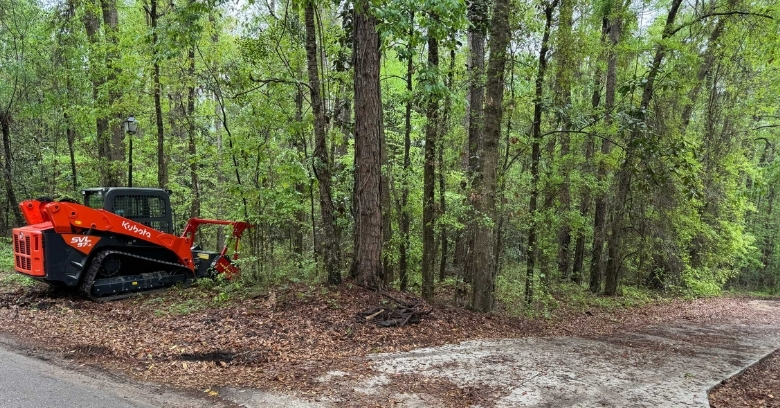
The mulching head spins at high speed and reduces brush, saplings, and even sizable trees to chips, and there are no burn piles to tend and no debris to haul. The root systems of cut plants stay in place and keep the soil from washing away, and the mulch layer protects the surface from the next rain.
Light brush and vines are easy work, but big hardwoods call for a heavy machine, and the operator can leave chosen trees standing while clearing around them. The finished ground is covered with a carpet of chips, and a thick layer may need to be raked near buildings.
Spray-On Mulch Explained
Spray-applied mulch covers large areas of soil quickly and evenly, and the fibers hold the seed in place and keep the moisture near it. Hydromulch protects soil while seed sprouts and roots take hold, and a quick covering reduces the sediment that reaches ditches and ponds.
A mix with seed needs enough moisture to sprout, so the season matters, and the right blend depends on the soil and the slope. Grass types vary in how well they handle sun, shade, and sandy ground, and some sites need a second application.
Eco-Friendly Mulching Practices
Using the vegetation that was cut as mulch closes the loop on the clearing job, and fewer trucks and less hauling mean less fuel burned and less traffic. Land close to water calls for methods that keep soil in place, and buffers of untouched vegetation may be required near the water.
Landscape mulch is the familiar layer spread around trees, shrubs, and flower beds, and a depth of a few inches is enough for most beds. Wood chips from clearing are a practical covering for trails, bare ground, and steep banks, and the supply is usually more than the property can use.
Machines Behind the Work
Mulching heads attach to heavy machines that are strong enough to turn the drum at high speed, and the choice depends on the site and the size of the job. Hydroseeding equipment ranges from small trailers to large trucks, and access to the site and a supply of water are part of the planning.
A mulching head can throw chips, rocks, and debris a long way, and the operator works from a protected cab. Old fencing and debris can be hidden by seasons of growth, and marking the hazards before work begins is a good habit.
Ground and Weather Around Midway Florida
Much of the ground in this region is light, sandy, and low in organic matter, and a covered surface stays cooler in the summer sun. Summer here brings heat, humidity, and daily storms, and crews often start early to get ahead of the afternoon storms.
Tropical systems topple trees and scatter limbs across properties, and clearing storm debris promptly keeps the yard safe and usable. Thinning understory growth reduces the fuel available to a fire, and the mulch layer left behind is less flammable than standing brush.
After the Trees Are Cut
After the trunk is ground, the stump and roots stay in the soil to decay, and the owner should decide whether the stumps can stay or must be ground out. The root mass under a cleared slope binds the soil together while new growth starts, and mulching is often chosen for slopes, ditch banks, and pond edges.
The mulch left by a forestry head is coarse, with a mix of bark, wood, and leaves, and the rough texture makes the layer stay in place. A layer a few inches thick works well on most ground, but a thick pile smothers new growth, and it helps to check the depth near foundations and keep it thin there.
Timing, Seasons, and Upkeep
Wet-season rain and soft soil slow tracked machines and cause ruts, and planting too early in a dry spell wastes seed. Regrowth is normal and does not mean the first pass was wasted, and a follow-up pass is part of the plan for many properties.
Mulch is not permanent, and part of its value is that it decays into the soil, and a light touch each season beats a heavy overhaul. Homeowners in fire-prone areas are advised to use a noncombustible zone near the foundation, and cigarette butts and sparks are risks in dry weather.
Choosing Between Mulching Types
When the goal is to clear and leave the chips behind, forestry mulching does both at once, and erosion control on bare ground is the main reason for spray application. Many projects use both methods in sequence, and a gap between clearing and cover is a window for erosion.
For a home landscape, a few inches of mulch around the plants does the job, and the appearance is a bonus on top of the benefits to the plants. Asking the right question at the start saves time, and it helps to have a picture in mind of the finished property.
Wildlife, Nesting, and Care on Wooded Land
Habitat is part of every parcel of untended land, and the best time to ask is before the machine starts. Cutting during the main nesting months can destroy active nests and young birds, and leaving a strip of untouched growth gives animals a place to go.
What to Settle First
A clear boundary and a plan for the work area prevent disputes and mistakes, and it helps to photograph the property before work begins. Make sure everyone knows what is included in the work and what is not, and the work goes smoothly.
Once you know what you want covered or cleared, Mulching Services in Midway Florida is a short list, and a call usually settles the rest.
Ring 850-787-9300 to ask about brush, trees, and bare ground on your property.
Verified

Verified
Verified
Verified
Verified














