

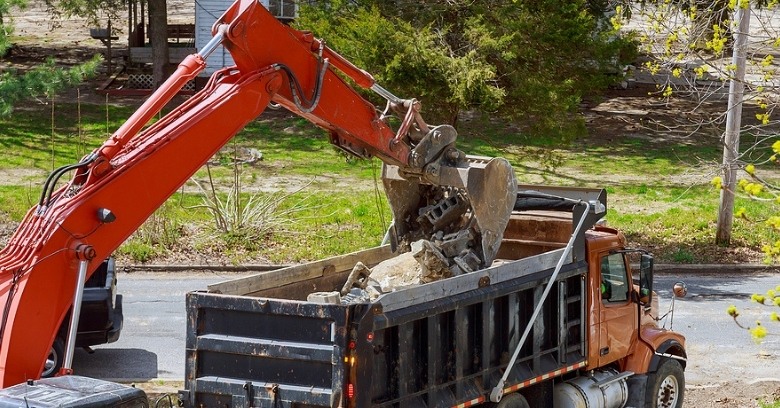
Dealing With Debris Cleanup Contractor in Midway Florida?
EZ Acre helps property owners in Midway Florida clear piles of limbs, brush, and leftover material.
Ring 850-787-9300 to talk through what needs to be cleared away.
What Debris Removal Covers
The job of removing debris includes picking up, loading, and hauling off whatever does not belong on the land, and the material may be brush, fallen trees, yard waste, or leftovers from a project. Piles form after a tree comes down, a lot is cleared, or a project wraps up, and the first step is understanding what kind of debris is involved.
Anyone comparing options for Debris Cleanup Contractor is typically looking at more material than a pickup can handle, and knowing the options makes it easier to ask good questions.
Storm Debris After Hurricanes and Heavy Weather
Storm cleanup is a large part of debris work in this region, especially late in the summer and fall, and adjusters and neighbors may need to see the damage before it is removed. Knowing the local rules can save a lot of effort in the weeks after a storm, and sorting vegetation from construction material is a common rule.
The most dangerous part of storm cleanup is not the heavy material but the hidden hazards, and chain saw work on storm damage is among the most injury-prone tasks. Damaged trees need to be inspected before anyone works beneath them, and a trained crew should look at any questionable tree.
Cutting and Hauling Away the Green Stuff
Overgrown yards generate large amounts of brush, vines, and cut trees, and waste left in place breaks down slowly and can smother the lawn. Crews load by hand or with a grapple, depending on the size of the material, and the debris should be piled where the truck can reach it.
Many areas have rules for what yard waste can go into curbside collection, and the rules differ between the city and the unincorporated areas. Grinding on site is a practical choice for large amounts of woody waste, and chips are best spread thin and kept away from buildings.
Material That Comes With Projects
Every acre cleared leaves a pile of limbs, roots, and wood, and a lot cleared without a plan for the debris is only half finished. Construction projects generate scrap lumber, packaging, and broken materials, and the material should be kept separate from yard waste.
Paint, solvents, chemicals, batteries, and treated wood often need special handling, and owners should speak up if they know of anything unusual. Landfills, transfer stations, and recycling centers each accept different materials, and material that is clean and separate is welcome at more sites.
How Cleanup Crews Work
A skid steer pushes and loads material in tight spaces, and the equipment is matched to the amount and type of material. Chain saws, falling limbs, and heavy loads are the main sources of injury, and a calm, steady pace beats rushing.
Local Conditions That Shape Cleanup
Trucks and loaders need firm ground, and a rainy week can make access difficult, and piles in hard-to-reach spots may be moved by hand first. Rain and heat shape the daily schedule of every outdoor job, and crews often start early and finish before the afternoon storms.
Fast-growing vegetation produces a steady supply of debris, and trimming before storm season reduces what a storm can drop. Waiting until a storm is on the way leaves little time to prepare, and the effort spent before a storm often saves far more afterward.
Where Debris Ends Up
A pile that is sorted at the start moves through the disposal site with fewer problems, and metal can be taken to a scrap yard. Recycling green waste keeps large volumes out of the landfill, and asking where the crew takes the material is a fair question.
Looking Before You Lift
Old debris piles can shelter snakes, rodents, insects, and other animals, and animals leaving the pile should be allowed to go on their way. Puncture wounds and cuts are common injuries on cleanup jobs, and sturdy boots and gloves are essential.
Safer Ways to Get Rid of Brush
Local fire authorities set rules about what can be burned, when, and how far from buildings, and a call to the local fire authority before any burning is the right first step. Large piles are better removed than burned in most circumstances, and planning ahead for disposal avoids the temptation to burn.
What Helps the Crew Work Faster
A truck that can back up to the pile loads far faster than one that has to be carried to, and moving vehicles out of the way helps. Staging debris in one place before the crew arrives speeds up the job, and it helps to ask the crew how they would like the material arranged.
Cleanup demand spikes in the days after a weather event, and a calm weather window is the best time for heavy hauling. Keeping a simple record of the job is a good habit, and it helps to note any damage to fences, structures, and trees.
Ongoing Cleanup for Active Sites
Acreage and commercial lots produce debris on a scale that a pickup cannot handle, and crews may work in phases, clearing one section at a time. A recurring cleanup spreads the work out and keeps the property presentable, and the best times are before and after storm season.
A survey stake or a known corner helps keep the work on the right side of the line, and it helps to clear communication keeps a small matter from growing. Debris in a drainage path is a hazard that gets worse with every storm, and local offices may have rules about work in public ditches.
Piles left out in the weather get heavier, and wet debris is harder to move, and trucks carry fewer loads when debris is soaked.
Preparing for a Cleanup Job
Photographs of the piles help the crew understand the size of the job, and gates, fences, and low branches can block the way. The details of access, sorting, and disposal should be settled before the job starts, and the work goes smoothly.
Everything above comes down to one decision, and Debris Cleanup Contractor in Midway Florida is where you make it, and the next step is a conversation about your property.
Reach us at 850-787-9300 to get your lot clear and ready to use.
Verified

Verified
Verified
Verified
Verified














