

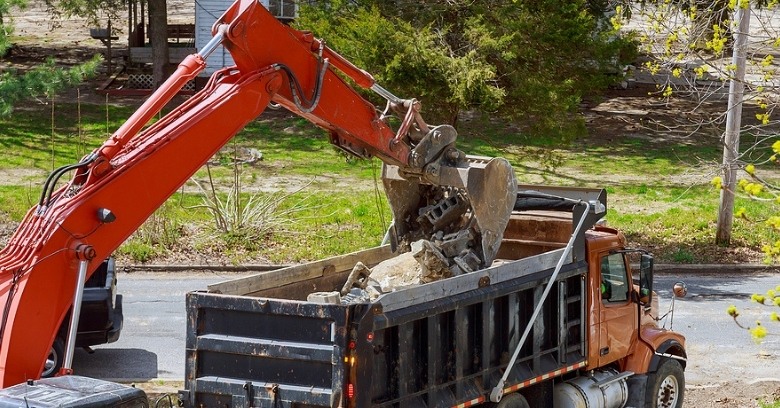
Getting ready for Storm Debris Removal Services in Midway Florida?
EZ Acre is a land services business that clears debris for property owners in Midway Florida.
Dial 850-787-9300 to talk through what needs to be cleared away.
From Scattered Mess to Clear Ground
Removal work turns a messy site into clear ground by getting rid of what was left behind, and the amount can range from a few loads to a field full of material. Leftover material from a job often stays on site until someone hauls it away, and the cause often decides how much of it there is.
Most people who search for Storm Debris Removal Services have a pile or a scattering of material they cannot manage alone, and a short conversation can sort out what the job calls for.
Clearing Hurricane and Storm Damage
High winds and flooding can turn a tidy lot into a field of storm debris, and the first priority is always safety, with clearing for access second. Rules for storm debris vary, and some areas require material to be sorted by type before pickup, and owners should check with the city or county before hauling anything.
Hanging limbs, sometimes called widowmakers, can fall without warning, and the area should be kept clear until a professional has assessed it. Cracked trunks and heaved roots signal a tree that could come down, and it helps to plan the cut so the tree falls where it does no harm.
Brush and Yard Waste
Overgrown yards generate large amounts of brush, vines, and cut trees, and the bulk is the main problem, because green material takes up a lot of space. Crews load by hand or with a grapple, depending on the size of the material, and a clear path to the pile saves time on the day.
Some counties collect yard waste on set days and in set amounts, and the schedule and the limits are available from the local waste office. Instead of loading and hauling, brush can be chipped on site and spread on the property, and the owner can decide whether to keep the chips or have them hauled.
Material That Comes With Projects
Every acre cleared leaves a pile of limbs, roots, and wood, and a lot cleared without a plan for the debris is only half finished. Building and renovation projects leave their own debris, and different types go to different disposal sites.
Anything that is hazardous should be set aside from the general debris, and mixing them into the load can bring problems at the disposal site. Landfills, transfer stations, and recycling centers each accept different materials, and a plan for disposal belongs in the job from the beginning.
Loading, Hauling, and Cutting
A skid steer pushes and loads material in tight spaces, and soft ground may need mats or lighter machines. Heat, humidity, and fatigue add to the risks in a warm climate, and it helps to ask the crew where to stand and what to avoid.
Sandy Ground, Wet Seasons, and Storms Around Midway Florida
Trucks and loaders need firm ground, and a rainy week can make access difficult, and rutting a lawn is a common problem after heavy equipment. The wet season runs through the summer with frequent heavy rain, and schedules should include room for weather.
Warm weather and rain make plants grow quickly, and trimming produces a lot of waste, and regular cleanup is easier than a large one. Trimming dead limbs and clearing debris from the yard before a storm keeps it from becoming a projectile, and owners should know where their trees stand in relation to the house.
Recycling What Can Be Reused
A pile that is sorted at the start moves through the disposal site with fewer problems, and metal can be taken to a scrap yard. Yard waste facilities turn limbs and leaves into products that are used again, and it helps to clean loads are accepted at more places.
Pests, Snakes, and Sharp Surprises
A pile that has sat for a season or more is a ready-made habitat, and the pile should be disturbed from a distance with a tool before anyone reaches in. Old fencing and wire can be buried in overgrowth and catch a person or a machine, and sturdy boots and gloves are essential.
Burn Bans and Dry Spells
Burning brush piles is regulated in many places, and rules change with the weather, and owners can be held responsible if a fire spreads. Chipping on site produces a useful product and removes the fire hazard, and the safest pile is a small one.
Making the Pile Easy to Reach
Access is one of the biggest factors in how long a debris job takes, and photos or a site visit help the crew plan. Piles sorted by type are faster to load and haul, and it helps to ask the crew how they would like the material arranged.
Waiting lists grow quickly after a hurricane or a major storm, and less urgent cleanup may wait a few weeks. Photos taken before and after the cleanup show what was there and what was done, and it helps to note any damage to fences, structures, and trees.
Cleanup That Keeps Coming Back
Job sites and commercial properties generate waste continually and need regular removal, and a walk across the property helps map out the piles and the routes. Small piles are quick to remove, and large piles take far longer, and setting up a simple routine saves effort over the year.
Piles that sit close to a neighbor property can cause disputes if they are moved without notice, and a friendly word with the neighbor before work begins avoids trouble. Drainage ditches and culverts should be kept clear of debris, and crews often include ditch clearing in a property cleanup.
Wet material packs down and takes more effort to load and haul, and dry brush is also a fire concern, so the pile should still be kept away from buildings.
Getting the Job Scoped Right
Start by deciding exactly what needs to go and what stays, and gates, fences, and low branches can block the way. Check the local rules on disposal, since some materials must be sorted, and changes are easier to handle on paper than in the field.
That is how most property owners approach Storm Debris Removal Services in Midway Florida, and the details are quick to confirm.
Reach us at 850-787-9300 when you are ready to plan a cleanup.
Verified

Verified
Verified
Verified
Verified














