Land clearing is a foundational step in preparing any plot for construction, landscaping, or agricultural use. Whether you are planning a commercial development, a residential project, or aiming to increase the usability of your property, proper land clearing is crucial. However, anyone who has navigated this path, especially in places like Tallahassee Florida or its neighboring town of Monticello, knows that obtaining the right permits can be a complex and sometimes daunting process. This intricate network of local ordinances, state regulations, and environmental protocols exists to safeguard natural habitats, control soil erosion, and prevent unnecessary deforestation, especially in an ecologically diverse region like North Florida.
For property owners, developers, and experienced land clearing contractors alike, understanding and managing permit requirements is non-negotiable. The success of any land clearing project hinges on compliance with these legal obligations. Navigating this maze is more than submitting a permit application as a misstep in paperwork or failure to meet environmental conditions can lead to costly delays, fines, or even halt your project entirely.
Fortunately, with the right approach and knowledge, handling land clearing permits can become a manageable and even smooth process. The journey begins with a thorough understanding of what land clearing entails and why regulations exist in places like Tallahassee and Monticello Florida. These areas are home to delicate ecosystems, wetlands, and protected plant species, all of which require careful consideration.
This article will walk you through practical tips for handling land clearing permits smoothly, share insights about working with qualified land clearing contractors, and explain how regional differences might affect your permit process. We will spotlight valuable tools, common pitfalls, pros and cons of various approaches, and the impact on sectors such as construction, real estate, and agriculture. By the end, you will feel equipped to embark on your land clearing project confidently, whether you are handling a residential lot in Tallahassee or prepping acreage near Monticello's scenic outskirts.
Let's dig into the nuts and bolts of securing land clearing permits, demystify local rules, and set you on the path to project success.
Navigating Land Management Permits: What You Need to Know
Understanding Land Management and Its Importance
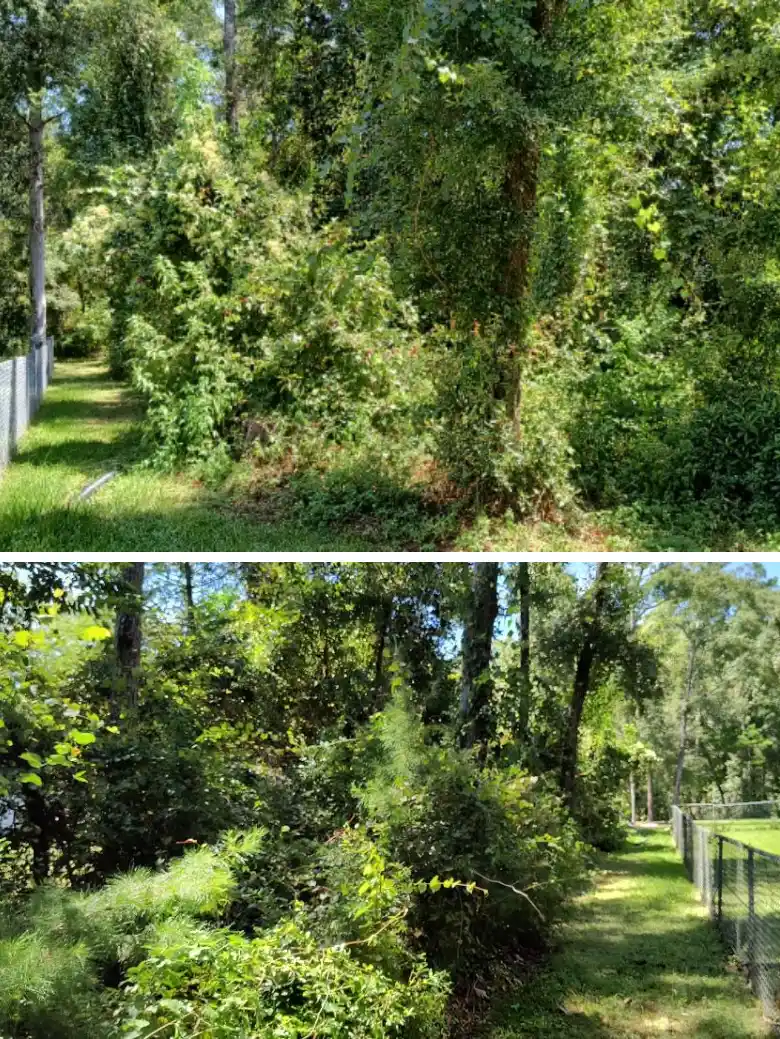
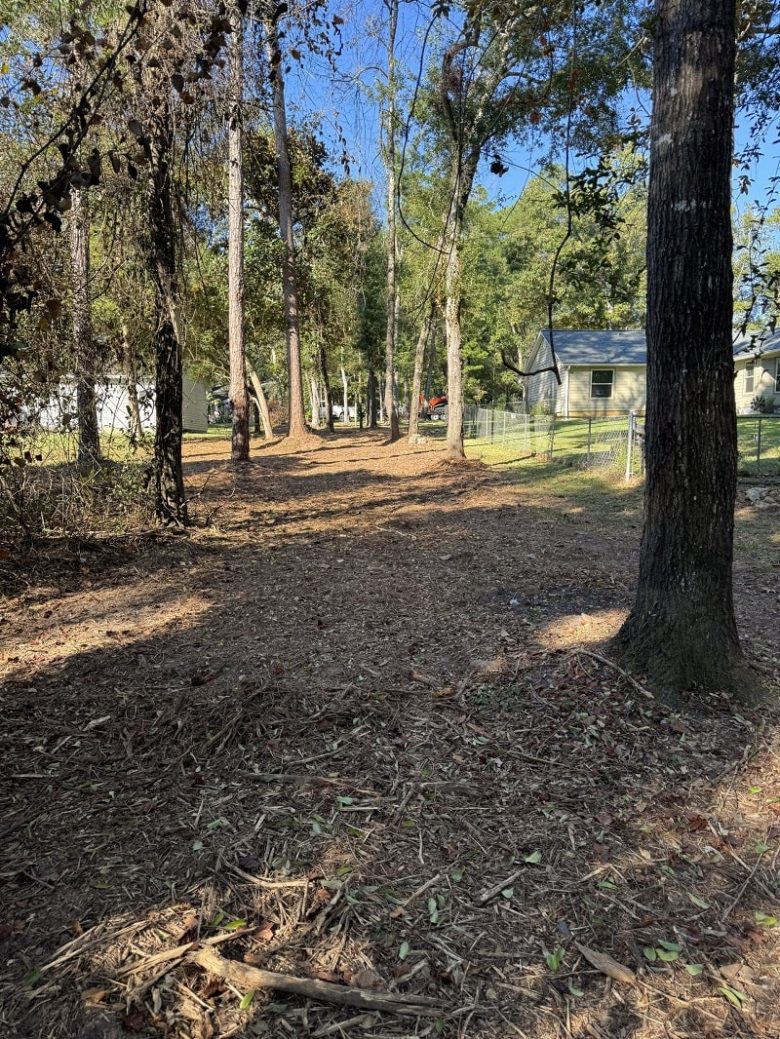
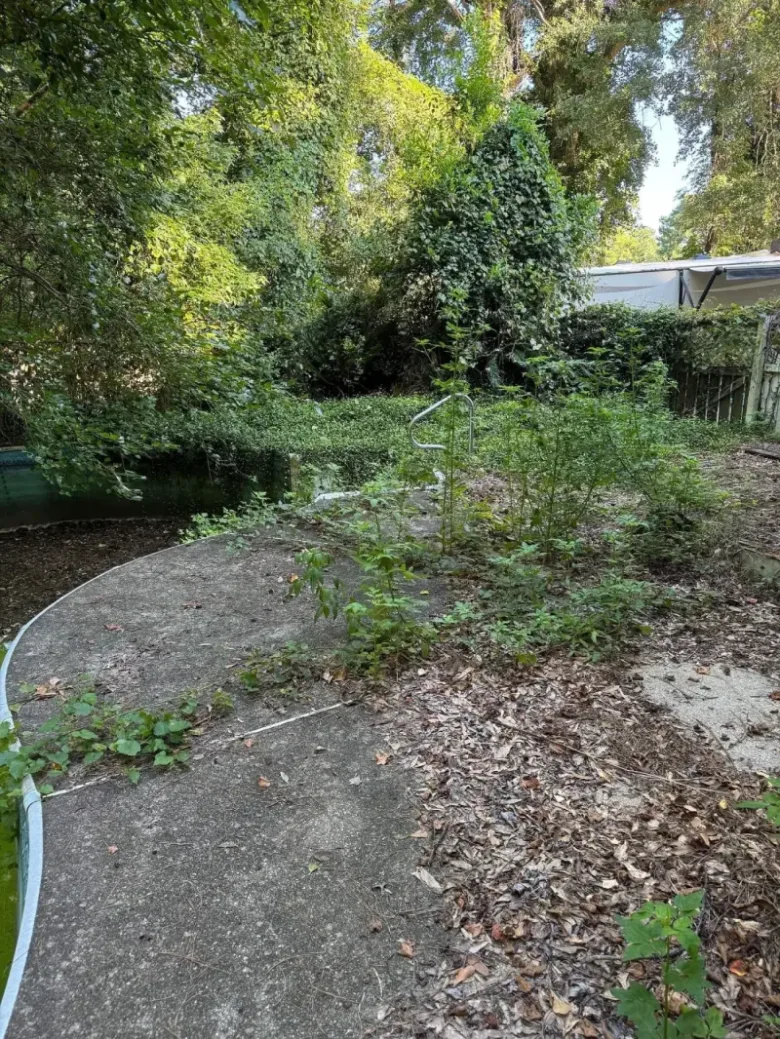
At its core, land clearing involves the removal of trees, shrubs, stumps, and other obstructions to make a property ready for its next phase. This process is not simply about bulldozing everything in sight; rather, it requires strategic planning, an understanding of the terrain, and an assessment of the environmental consequences. In Tallahassee and Monticello as in many Florida communities, regulations are strict due to the delicate balance between development and conservation. Wetlands, native trees, and wildlife habitats all play a role in determining what can and cannot be cleared.
Why Are Permits Required?
Permitting regulates land clearing to:
- Prevent uncontrolled deforestation and soil erosion
- Protect water quality in lakes, rivers, and wetlands
- Preserve habitats for native species
- Maintain community aesthetics and property values
- Ensure compliance with state and federal environmental laws
Cities like Tallahassee Florida have zoning regulations, tree protection ordinances, and sometimes even county-level rules. Failing to obtain a proper permit can result in severe penalties, remediation orders, or even project halts.
Steps for a Smooth Permit Process
- Research Local Regulations: Every municipality has its own rules. In Tallahassee, check with the Tallahassee-Leon County Planning Department. In Monticello, the Jefferson County Building Department is your go-to resource. Start with their websites or make direct calls to gather up-to-date guidance. Many counties publish permitting checklists and FAQs.
- Engage a Qualified Land Management Contractor Early: An experienced land clearing contractor is invaluable. They are familiar with local codes and environmental requirements, can foresee potential hurdles, and often have relationships with permitting authorities in Tallahassee and Monticello. Their expertise reduces the risk of non-compliance and streamlines the approval process.
- Request a Pre-Application Meeting: Before you submit any forms, schedule a pre-application meeting. Tallahassee and Monticello officials typically offer this service as a courtesy. It is your chance to clarify what documentation you will need, discover any potential red flags, and solidify your project timeline.
- Prepare Detailed Site Plans: Permitting departments need to see exactly what you are planning to clear and what will remain. Work with your land clearing contractor to create a site map that shows property boundaries, preserved trees, water bodies, and access points. Digital and paper copies are often required.
- Complete and Submit the Application Diligently: Errors and omissions in paperwork are the number one cause of permitting delays. Review all forms carefully. Attach all required maps, property deeds, and environmental studies. Double-check local requirements; Tallahassee may request different supporting documents than Monticello.
- Stay Ready for Inspections and Reviews: After submitting your application, expect an on-site inspection or review. Inspectors will verify existing site conditions, protected areas, and conformity with your plans. Having your contractor present is wise as they can address technical questions directly.
- Respond Promptly to Feedback: If permitting staff request additional information or clarification, provide it quickly. Delayed responses can mean lost weeks or even months in your project timeline.
- Plan for Environmental Protection: You may be required to implement specific measures to control erosion, protect tree roots, and manage stormwater runoff. Secure any necessary environmental permits such as for wetlands before disturbing the land.
- Maintain Regular Communication: Keep open lines of communication with your permitting agency and your land clearing contractor. Proactive updates prevent surprises and demonstrate your commitment to compliance.
- Retain All Documentation: Save copies of all permits, approvals, correspondence, and inspection reports for future reference. You will often need these for subsequent phases of your project, particularly when applying for building or utility connections.
Pros, Cons, and Applications: Land Management Permit Realities
Pros of Following the Permit Process
- Legal Compliance: Makes certain your project will not be stopped or fined.
- Environmental Protection: Reduces harm to local flora and fauna.
- Community Relations: Demonstrates respect for neighbors and municipal priorities.
- Easier Property Transactions: Permitted projects facilitate smoother resales and future development.
- Supports Long-Term Land Value: Thoughtful clearing aligns with zoning and land use plans.
Potential Cons and Challenges
- Permit Delays: Backlogs in Tallahassee or Monticello departments can slow timelines.
- Added Costs: Permit fees and required site studies add to project budgets.
- Complex Paperwork: Navigating bureaucracy requires patience, especially for first-time users.
- Conditional Approvals: Some permits require ongoing compliance measures, such as temporary fences or erosion controls.
Where Land Management Permits Make Maximum Impact
- Construction: Every commercial or residential build in Tallahassee starts with permitted clearing.
- Agriculture: Farmers expanding operations near Monticello require field preparation while avoiding wetlands.
- Utility Installation: Power lines, pipelines, and broadband expansion projects must clear the right-of-way legally and obtain the necessary permits.
- Public Works: Roads, parks, and community spaces rely on transparent land transformation.
- Property Maintenance: Even routine clearing for fire prevention or landscaping needs a watchful eye on local rules.
Working with a Land Management Contractor: Your Key Partner
An experienced land clearing contractor does more than move earth as they are your navigator through regulatory complexity. Here is how to make the relationship work for you:
- Choose Local Experience: Contractors familiar with Tallahassee and Monticello's permitting environments will get you permitting done faster.
- Check References and Licenses: Be sure your contractor is fully licensed, insured, and has positive feedback from previous clients.
- Collaborate on Site Planning: Engage your contractor in the early mapping process. Their insights can prevent costly changes later.
- Leverage Contractor Networks: Trained contractors are familiar with the most efficient inspectors and best practices for obtaining swift approvals.
- Stay Engaged: Partner with your contractor throughout the permitting, inspection, and clearing process.
Sector Impacts: Land Management and the Bigger Picture
- Construction and Real Estate: Securing permits for land clearing is the first step in new housing subdivisions, shopping centers, and infrastructure projects. Developers in Tallahassee and Monticello must strike a balance between rapid growth and ecological preservation, often participating in community forums and environmental reviews.
- Agriculture & Ranching: Land clearing supports crop rotation, expansion, and fencing for livestock. Florida's fertile soils require sensitive handling to avoid long-term degradation. Farmers benefit from streamlined permits which clarify what is allowed and protect against regulatory surprises.
- Environmental Protection: Permitting means th at wetlands, endangered species, and native forests are safeguarded for future generations. Environmental groups and government agencies collaborate to maintain these protections even as development proceeds.
Conclusion
Successfully handling land clearing permits is a game-changer for any landowner, developer, or land clearing contractor in Tallahassee or Monticello Florida. The process may seem complex, but it is designed to strike a balance between progress and environmental stewardship, a priority for these ecologically rich communities.
Taking the time to research local regulations, consulting with experienced professionals, and submitting thorough, error-free applications all pay off in smoother approvals, faster project starts, and fewer legal headaches down the road. Every permit application contributes not just to your own project's success, but also to the sustainability and livability of our North Florida communities.
If you are on the cusp of a new project, do not let the permit process intimidate you. Engage a trusted land clearing contractor, follow these proactive steps, and transform permitting from an obstacle into a springboard for progress. With the right approach, you can transform that overgrown lot into a solid foundation for future growth responsibly and in compliance with the law.
Ready to get started? Reach out to your local permitting office, consult with a land clearing expert, and pave the way for your property's potential today!
Key Takeaways
- Do Your Research: Understanding local regulations in Tallahassee and Monticello, Florida, is crucial for obtaining a permit successfully. Do not assume statewide rules apply everywhere; check municipal and county requirements.
- Engage a Qualified Land Management Contractor Early: A contractor with experience in your location can help you avoid costly mistakes and streamline communication with permit authorities. They are familiar with the nuances of local ecosystems and regulations.
- Start the Process Before You Need It: Permit reviews can take weeks or months. Begin gathering documents, meeting requirements, and consulting with authorities well in advance of your desired clearing start date.
- Prepare Comprehensive Site Plans: Detailed drawings that show property boundaries, natural features to be preserved, and the project scope demonstrate that you are prepared and organized, thereby winning trust from reviewers.
- Leverage Pre-Application Meetings: These informal sessions with permitting staff can save time and reveal hidden requirements. Bring your questions and clarify expectations before you file official paperwork.
- Double-Check All Applications: Accurate, complete forms and documentation prevent unnecessary delays. Attention to detail is rewarded with quicker approvals.
- Plan for Environmental Compliance: Tallahassee and Monticello require landowners to protect wetlands, control erosion, and& in some cases, plant replacement trees. Know what environmental safeguards are necessary for your project's footprint.
- Stay Responsive: Providing prompt answers to permitting authorities' questions keeps your application moving and positions you as a responsible and collaborative applicant.
- Keep Records Safe: Retain copies of all permit paperwork, approvals, and site inspection reports to ensure their safety and accessibility. Future property sales or utility hookups will often require proof of compliant clearing.
- Compliance Safeguards Your Investment: Properly permitted land clearing supports your project's value, enhances community trust, and prevents costly enforcement actions or fines down the line.
FAQs
1. What is land clearing and why does it require a permit in Tallahassee Florida?
Land clearing involves the removal of trees, shrubs, and other obstacles to prepare land for construction or agricultural use. Permits are required in Tallahassee to control deforestation, protect the environment, and affirm that safety and community standards are maintained.
2. How can I find out which permits I need for land clearing in Monticello Florida?
Contact the Jefferson County Building Department or visit their website. Requirements vary depending on the property's size, location, and intended use. Pre-application meetings with local officials can clarify what is necessary.
3. Are there differences between city and county permits for land clearing?
Yes. City permits often follow stricter guidelines, especially for tree protection or waterway buffers. Always confirm with both county and city offices to determine if your property is located near jurisdictional boundaries.
4. Do I need a permit to clear small areas or remove a few trees in my backyard?
Possibly. Tallahassee and Monticello often require permits if you remove protected tree species or clear more than a set square footage. Always check with the permitting authority first.
5. How long does it take to get a land clearing permit in Tallahassee?
Permit timing can vary from a few days for simple projects to several weeks for large or environmentally sensitive sites. Submitting complete and accurate applications speeds up the process.
6. Can my land clearing contractor handle the permit application for me?
Most experienced land clearing contractors in Tallahassee and Monticello offer permit assistance as part of their service. Yet as the property owner, you remain ultimately responsible.
7. What happens if I clear land without the proper permits?
Clearing without a permit can result in fines, stop-work orders, mandated restoration, and long-term restrictions on property development. Always secure permits before starting.
8. Are there special permit requirements for clearing land near wetlands?
Yes. Projects near wetlands often require additional environmental permits, mitigation plans, or buffers to protect water quality and habitats, frequently involving state agencies as well.
9. How can I speed up the permit approval process?
Work with an experienced land clearing contractor, prepare detailed plans, respond promptly to requests for information, and utilize pre-application meetings for a smoother experience.
10. Why should I keep my permit documents for land clearing?
Permit and inspection records are often required for future construction, property resale, or utility connections. They prove your project was completed legally and to code.
Check Out Who is Posting This Article!
https://www.htv10.tv/story/53325149/tips-for-handling-land-clearing-permits-smoothly https://central.newschannelnebraska.com/story/53325149/tips-for-handling-land-clearing-permits-smoothly https://southeast.newschannelnebraska.com/story/53325149/tips-for-handling-land-clearing-permits-smoothly https://northeast.newschannelnebraska.com/story/53325149/tips-for-handling-land-clearing-permits-smoothly https://panhandle.newschannelnebraska.com/story/53325149/tips-for-handling-land-clearing-permits-smoothly